
Understanding the Varroa Mite
Explore comprehensive insights into the biology, global impact, and effective management strategies for this critical honeybee pest.
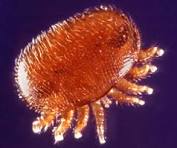
What is a Varroa mite
Impact on Hives

Physical Traits and Life Cycle
- Appearance: Oval-shaped and about the size of a pinhead (roughly 1.6 mm wide).
- Feeding: They puncture the bee’s body to feed on fat reserves and hemolymph.
- Reproduction: Female mites enter open bee brood cells just before they are capped, laying eggs that mature alongside the developing young bee.
Impact on Hives
- Weakened Bees: Infested bees emerge underweight with shortened lifespans and impaired flight.
- Disease Vector: Their feeding behavior transmits devastating viruses that cause wing deformities and immune system collapse.
- Colony Collapse: Left unmanaged, a heavy mite infestation routinely kills an entire honey bee hive within two to three years

Organic Chemical Treatments
- Oxalic Acid: Naturally found in plants and honey. It targets mites riding on adult bees (phoretic phase). Applied via vaporization (OAV) or a sugar syrup dribble. Most effective when the hive is completely or mostly broodless, such as late fall or via a controlled brood break.
- Formic Acid: Sold commercially as Formic Pro or Mite-Away Quick Strips. One of the few organic options that penetrates wax cappings to kill mites inside brood cells. Temperature sensitive—must be used when daytime highs stay strictly between 50°F and 82°F to prevent harming the queen.
- Thymol (Essential Oils): Formulated in products like Apiguard or Api Life Var. Derived from thyme oil. Works best in temperature windows between 65°F and 95°F by releasing active vapors through the brood nest.
- Hops Beta Acids: Marketed as HopGuard. Derived from hop processing. A safer, liquid-coated strip option that provides moderate knockdown during low-brood or dearth periods.
Cultural and Mechanical Controls
- Drone Brood Removal: Varroa mites prefer drone brood because of its longer development cycle. Inserting a dedicated drone frame and freezing or cutting it out before emergence reduces mite populations.
- Brood Interruption: Caging the queen for about three weeks stops egg-laying. This creates a total brood break, forcing all hiding mites onto adult bees where organic acid treatments can achieve maximum effectiveness.
- Screened Bottom Boards: Allows mites that fall off adult bees (naturally or via grooming) to drop through the mesh out of the hive so they cannot climb back up.
- Grooming Stimulants: Lightly dusting frames with powdered sugar encourages bees to groom one another, which knocks some phoretic mites loose.
Best Practices for Application
- Monitor First: Always test for mite levels (using an alcohol wash or sugar roll) before and after treatment to verify effectiveness.
- Check the Weather: Essential oils and formic acid have strict upper and lower temperature limits; applying them outside these ranges can kill your queen or cause heavy brood loss.
- Follow Labels: Always read manufacturer safety guidelines and dosage instructions carefully.
FAQ
What does the varroa do?
The Varroa mite is a tiny external parasite that attacks honey bees. It feeds on the blood and fat tissue of adult bees and developing larvae, weakens their immune systems, transmits deadly bee viruses, and causes entire bee colonies to collapse if left untreated.
How It Harms Bees
- Feeds on Fat Bodies: Pierces the bee’s body to eat vital fat tissue, leaving wounds that do not heal.
- Spreads Viruses: Acts as a carrier for harmful illnesses like deformed wing virus.
- Stunts Growth: Causes young bees to emerge underweight, crippled, or with shortened lifespans.
- Ruins Navigation:
Disrupts the flying and homing abilities of forager bees so they cannot return to the hive.
How It Reproduces in the Hive
- Enters Brood Cells: Female mites sneak into a bee larva cell right before it is capped over by worker bees.
- Lays Eggs: Hides in larval food, then feeds and lays eggs on the developing baby bee.
- Emerges to Spread: Young mites mature and mate inside the cell, then ride out on the newly hatched adult bee to repeat the cycle.
Can humans get varroa mites?
No, humans cannot get varroa mites. Varroa mites (Varroa destructor) are specialized external parasites that only survive, feed, and reproduce on honeybees and their developing larvae. They cannot bite, live on, or infect humans or other mammals.
What bees are most resistant to varroa mites?
The honey bee strains and lines most resistant to Varroa mites are Pol-line bees, Russian honey bees, and VSH (Varroa Sensitive Hygiene) stock. These bees use natural behaviors to find and remove mites or stop them from having babies.
Top Mite-Resistant Bee Types
- Pol-line Bees: Bred by the USDA, these bees excel at Varroa-sensitive hygiene (VSH), meaning they uncap brood cells and throw out mite-infected pupae.
- Russian Bees: Imported from the Primorsky region, they have co-lived with mites for a long time. They use strong grooming habits to bite and remove mites
- VSH Strains: Specially bred stocks selected strictly for their high ability to interrupt the mite reproduction cycle
- BeeWeaver: A private line in Texas bred through decades of survival testing without chemical mite treatments.
How They Fight Mites
- Detection: Worker bees smell when a mite hides inside a sealed brood cell.
- Uncapping and Recapping: Bees open the cell to disrupt the mite, sometimes resealing it or removing the pupa entirely.
- Grooming: Bees bite at their own bodies or each other to crush or pull off adult mites.
What kills varroa mites naturally?
Natural and organic methods to kill Varroa mites in honey bee colonies include organic acids like oxalic and formic acid, essential oils like thymol, mechanical interventions like drone brood removal, and breeding mite-resistant bee stock.
Organic Acids and Treatments
- Oxalic Acid: A natural compound found in plants like spinach and rhubarb. Applied via vaporization or a sugar syrup dribble, it kills mites hitchhiking on adult bees (phoretic mites).
Formic Acid: Naturally present in bee venom and honey. It is one of the few organic treatments capable of penetrating capped brood cells to kill reproducing mites.Thymol:An essential oil derived from the thyme plant, found in commercial organic products like Apiguard and Api Life Var, which acts as a natural fumigant inside the hive.
Mechanical and Physical Methods
- Drone Brood Removal: Varroa mites prefer reproducing in larger drone cells. Inserting a drone frame, letting the queen lay, and then freezing or removing the capped comb traps and discards a massive share of the mites.
Screened Bottom Boards: Allows mites that fall off bees (via natural grooming or other treatments) to drop through the screen and out of the hive so they cannot climb back up.Powdered Sugar Dusting: Dusting bees stimulates intense grooming behavior, causing some mites to lose their grip and fall off into the bottom screen.Biological and Genetic Approaches
- Mite-Resistant Genetics: Choosing queen bees bred for hygienic traits, such as VSH (Varroa Sensitive Hygiene) lines, which actively detect and remove mite-infested pupae.
Brood Breaks: Managing the hive to create a temporary break in brood rearing (via queen caging or splitting) starves the mite reproductive cycle because mites require capped brood to multiply.
Where do bees pick up varroa mites?
Honey bees pick up Varroa mites from other infected bees through drifting into foreign hives, robbing weak colonies, encountering peers in shared floral areas, or interacting with wandering drones. Mites hitch a ride on an adult bee’s body (phoresy) to spread between colonies.
Common Transmission Points
- Drifting Bees: Lost or disoriented worker bees from other hives enter a new colony and carry mites inside.
- Robbing Behavior: Strong bees raid weakened, mite-heavy colonies for honey and carry mites back when returning home.
- Drone Movement: Male drones freely move between different colonies, serving as major vectors for mite transport.
- Flowers and Foraging Sites:
Mites can disembark onto flower petals or shared feeding sites and climb onto a new foraging bee visiting the same plant.