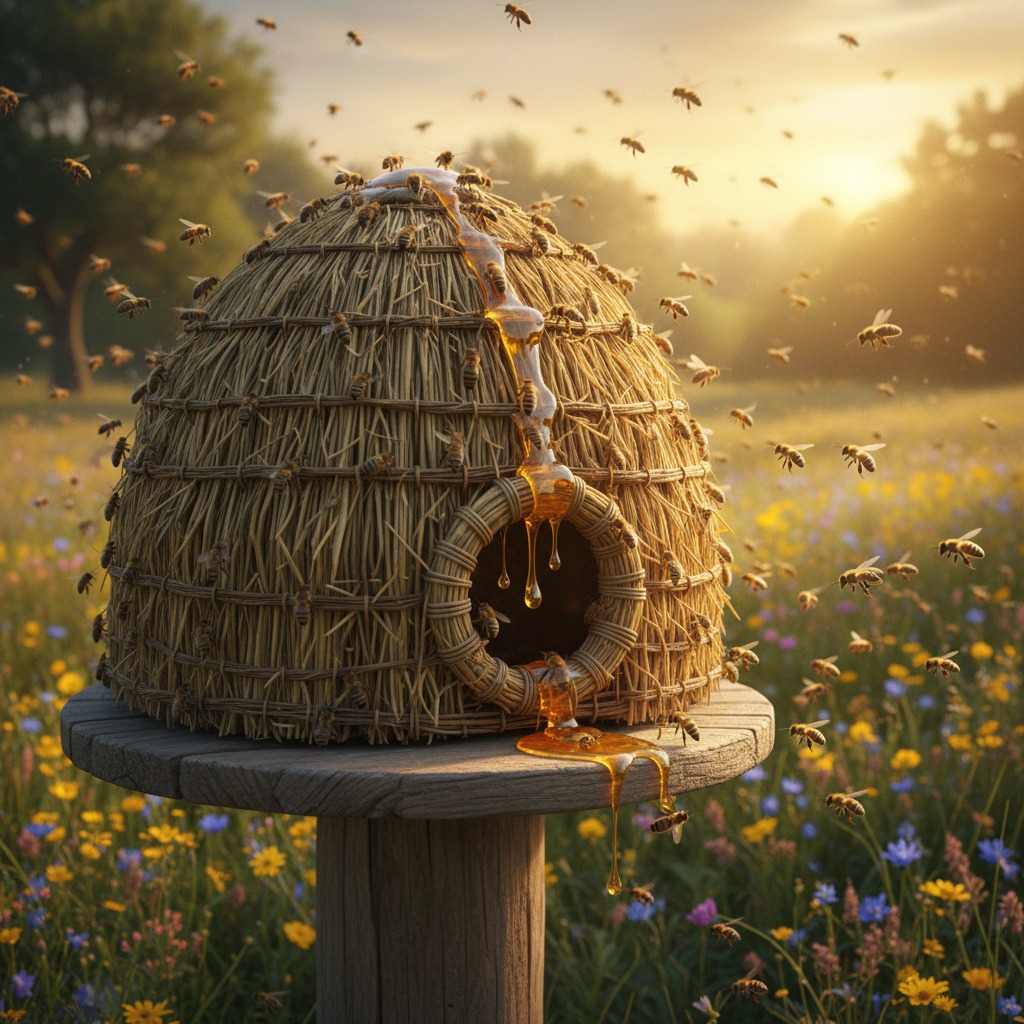
Promote Sustainable and Healthy Beekeeping
Explore essential best practices for implementing effective Hive Integrated Pest Management strategies.
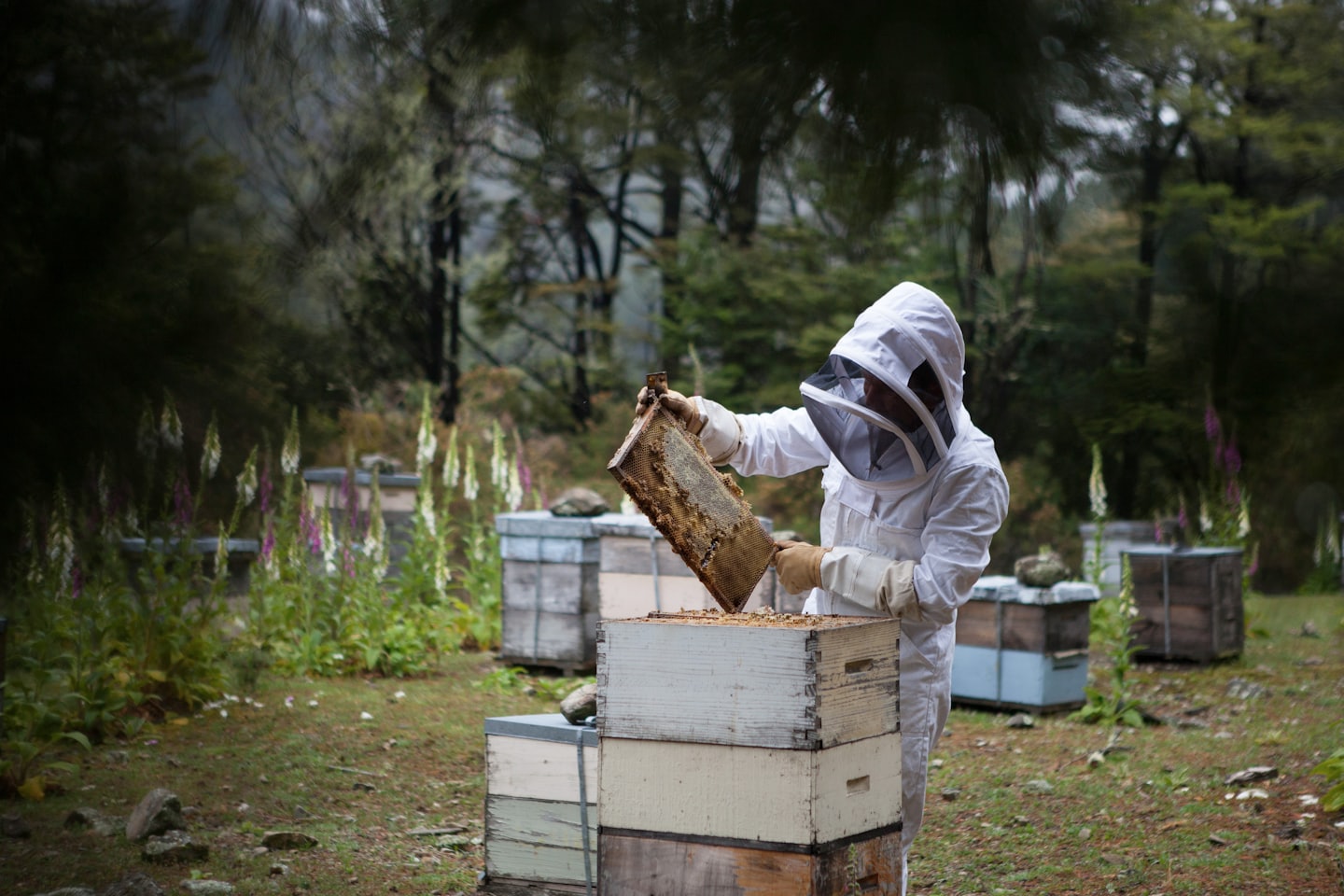
Sustainable Pest Control
Discover natural and eco-friendly methods to manage hive pests, protecting colony health while promoting long-term environmental sustainability.
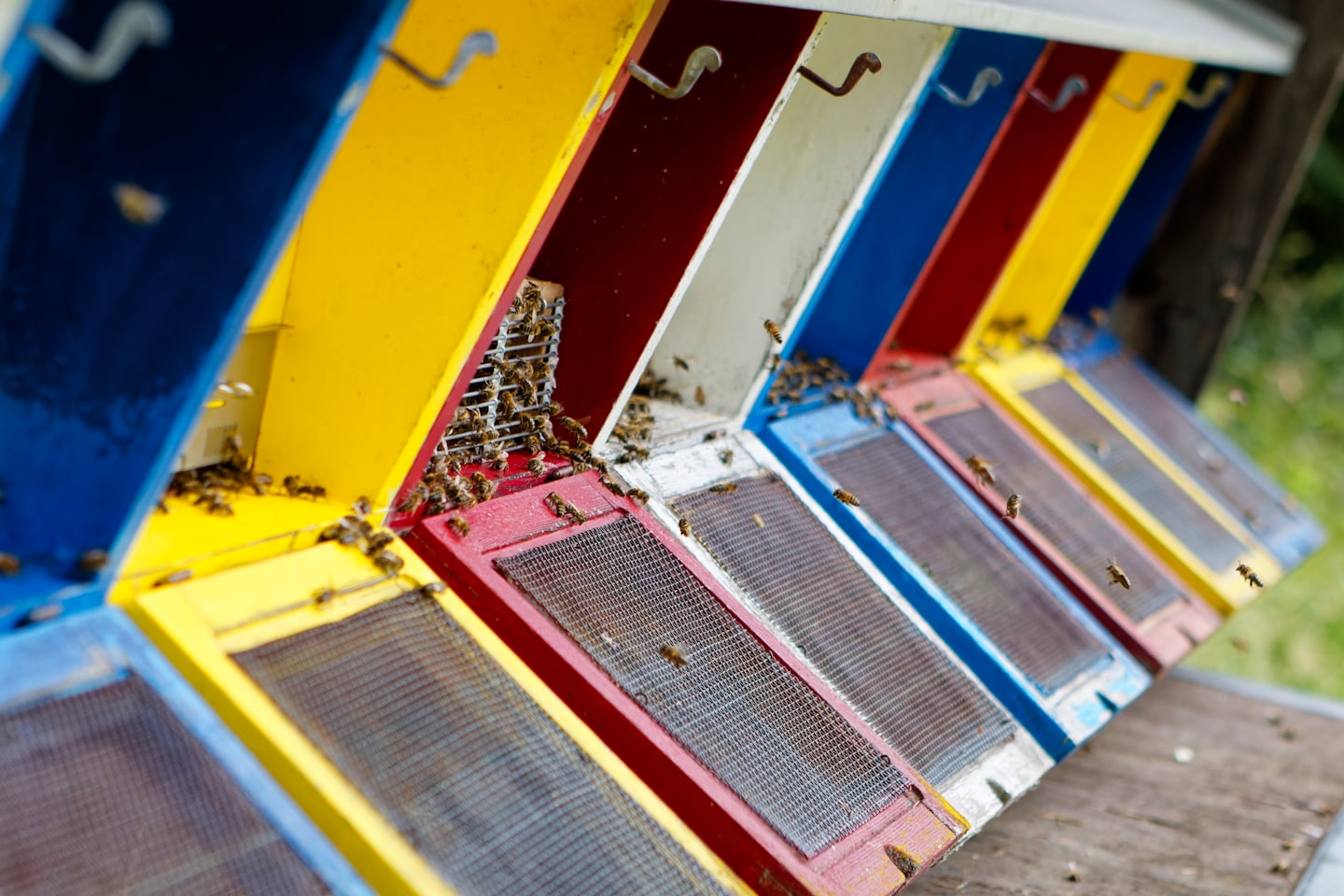
Colony Health Monitoring
Learn how to systematically track and assess hive conditions to catch potential issues early and ensure thriving bee populations.
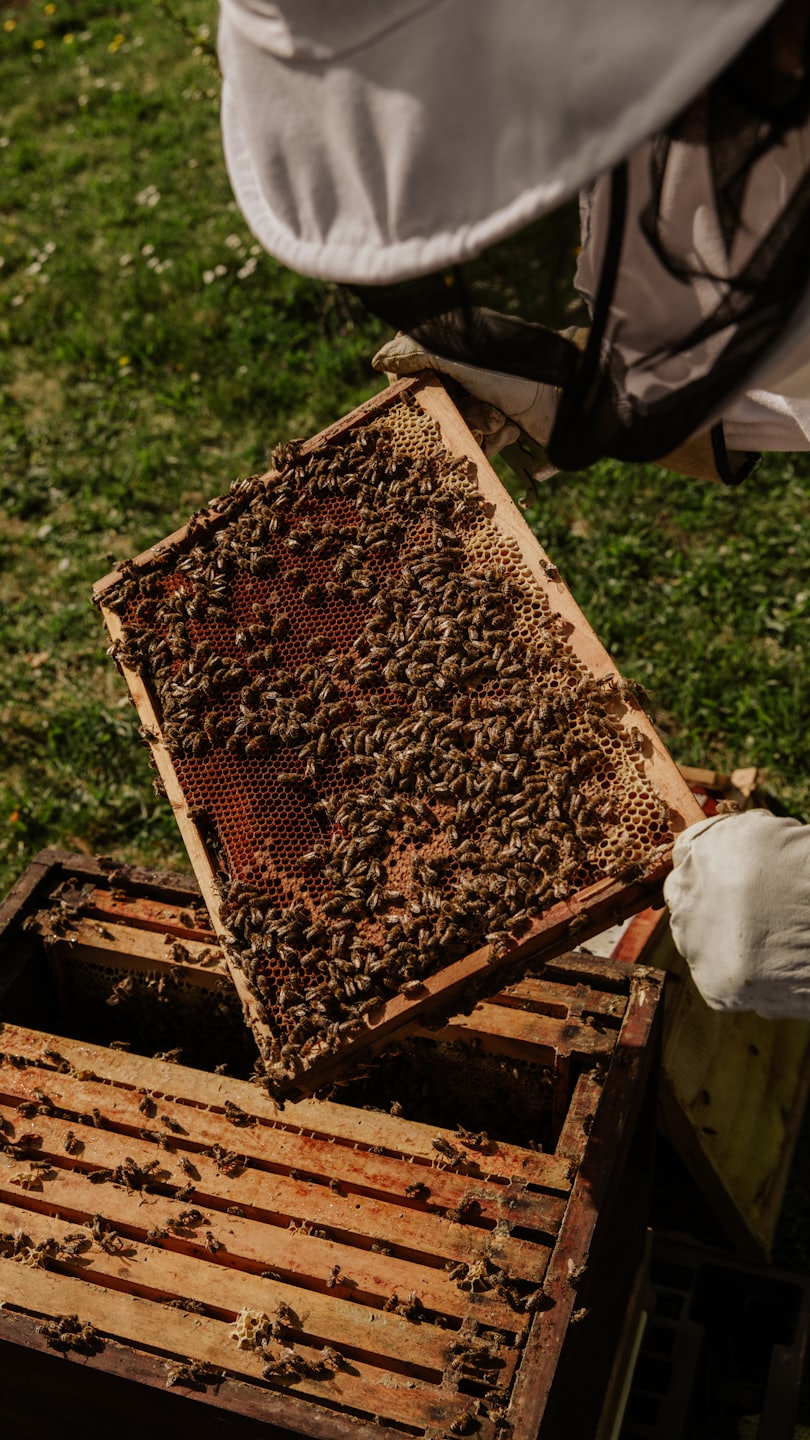
Expert Best Practices
Gain access to proven guidelines and professional strategies designed to optimize your apiary management routine effortlessly.
Management Process
Explore essential best practices for implementing effective Hive Integrated Pest Management strategies and sustainable beekeeping.
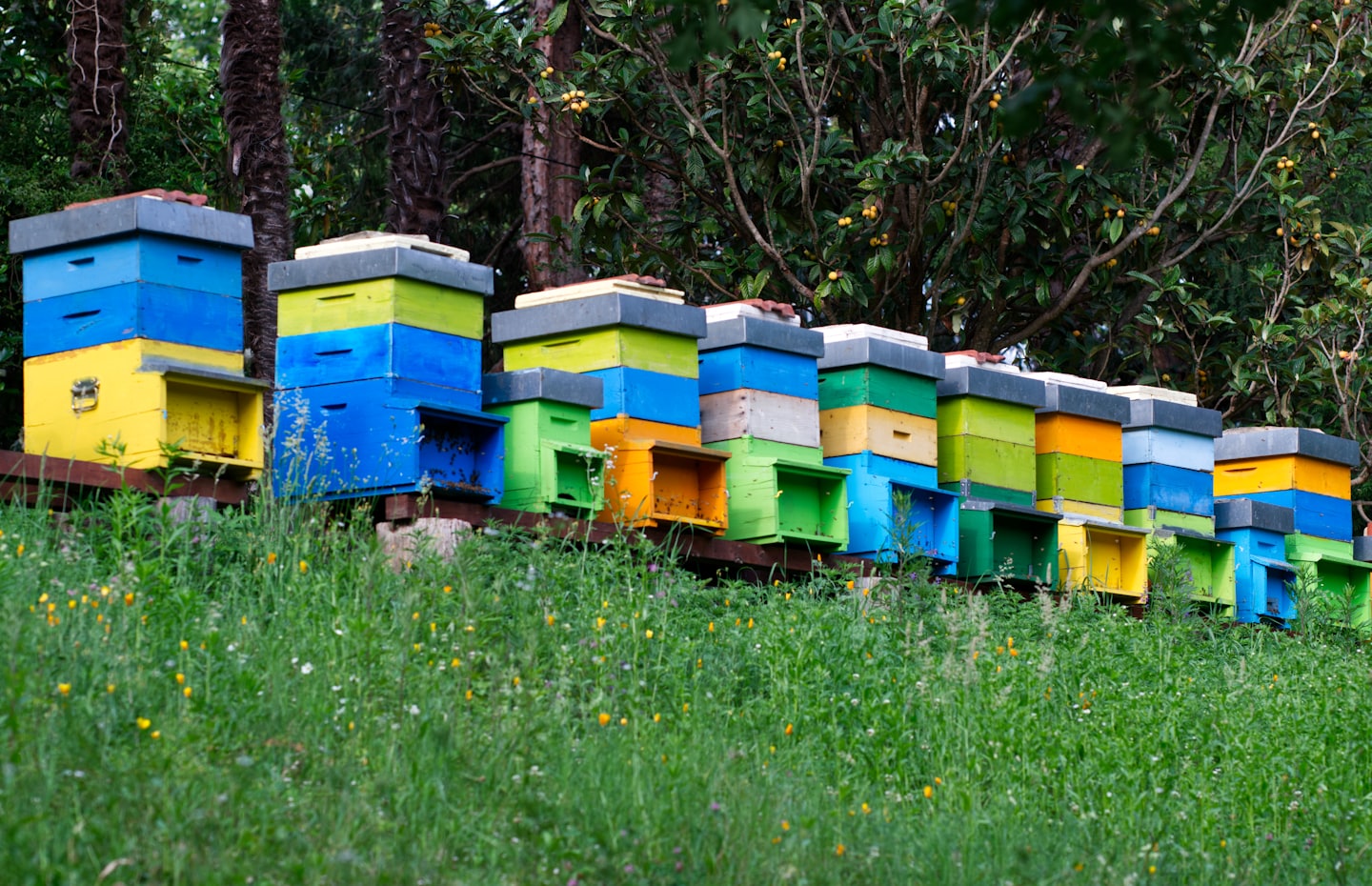

Hive Health Assessment
Evaluate colony conditions to detect early signs of pest infestations.

Strategy Application
Implement targeted treatments that protect your bees naturally.

Sustainable Monitoring
Maintain long-term colony vitality with continuous oversight and care.
Integrated Pest Management (IPM) for honeybees is a step-by-step plan to keep hives healthy. It uses regular health checks, smart management strategies, and sustainable monitoring tools. This approach controls pests like the varroa mite while keeping bees and honey safe from harsh chemicals.
Hive Health Assessment
Checking your hives often helps you spot problems early. Healthy bees look busy, active, and clean.
- Look at the brood: Check frames for a solid, even pattern of capped and uncapped larvae.
- Spot signs of disease: Look for chewed or sunken cappings, discolored larvae, or bad smells.
- Check adult bees: Look for trembling wings, crawling bees, or deformed shapes that show virus problems.
- Weigh the hive: A heavy hive means good food stores, while a sudden light hive means bees are starving or dying off.
Strategy Application
Good management strategies stop pests before they take over. You want to use natural and physical methods first.
- Good hygiene: Keep your tools clean and buy queen bees that fight off mites well.
- Physical blocks: Use screen bottom boards to let mites fall away from the bees safely.
- Brood interruption: Trap small groups of mites by cycling or removing small sections of drone brood.
- Soft treatments: Use organic acids like formic or oxalic acid only when mite numbers cross safe limits.
Sustainable Monitoring
Watching your pest levels over time keeps your bees safe without hurting them. Do not guess; use numbers to guide your choices.
- Mite washes: Use an alcohol or sugar roll on a sample of 300 bees every month to count mites.
- Sticky boards: Put a sticky card under the screen bottom to count natural mite drops over three days.
- Keep records: Write down mite counts, weather notes, and treatments for every single hive.
- Adjust your plan: Change your actions based on your counts before the colony gets weak.
Frequently Asked Questions About IPM
Find answers to common questions about implementing effective Integrated Pest Management strategies for healthy hives.
Integrated Pest Management (IPM) for honey bees combines monitoring, cultural practices, and safe treatments to control pests like the Varroa mite while keeping hives healthy and honey safe. Using these best practices helps bees fight disease naturally and reduces reliance on harsh chemicals.
Core Principles of Bee IPM
- Monitoring: Check mite levels often using sticky boards, alcohol washes, or sugar rolls.
- Thresholds: Treat only when pest numbers go over safe limits.
- Integration: Mix multiple mild tools instead of using one heavy chemical.
Regular inspections should occur monthly.
Use sticky boards or alcohol washes.
Cultural and Mechanical Practices
- Genetic Stock: Raise or buy hygienic queen bees that clean out sick brood.
- Drone Brood Removal: Cut out capped drone comb since mites prefer to breed there.
- Screened Bottom Boards: Help dislodge mites so they fall away from the cluster.
- Comb Culling: Rotate out old, dark comb to lower disease buildup.
- Brood Breaks, reduce or eliminate the brood so that the mites do not have a place to breed.
Biological and Chemical Options
It protects colony health and the environment.
Sustainable beekeeping is vital because it protects crucial pollinators, safeguards global food security, and preserves delicate ecological biodiversity. By working in harmony with bee biology rather than forcing high-yield industrial outputs, sustainable practices ensure long-term colony survival and environmental health. [1, 2, 3]
Core Reasons for Vitality
- Securing the Food Supply: Pollinators support roughly 35% of global crop production, fertilizing fruits, vegetables, and seeds essential for human nutrition. [1, 2]
- Protecting Biodiversity: Healthy managed and wild bee populations interact with local flora, enabling wild plants to reproduce and sustaining entire local wildlife habitats. []
- Preventing Colony Collapse: Avoiding harsh synthetic chemicals and overharvesting honey keeps bee immune systems strong and prevents repetitive annual die-offs. [1]
- Combating Climate Change: Thriving bee populations support robust plant and tree growth, which naturally absorbs atmospheric carbon dioxide and stabilizes regional ecosystems. [1]
- Fostering Genetic Resilience: Breeding locally adapted and disease-resistant queens reduces dependence on artificial interventions and strengthens regional pollinator pools. [1, 2, 3]
Sustainable beekeeping is vital because it protects crucial pollinators, safeguards global food security, and preserves delicate ecological biodiversity. By working in harmony with bee biology rather than forcing high-yield industrial outputs, sustainable practices ensure long-term colony survival and environmental health. [1, 2, 3]
Core Reasons for Vitality
- Securing the Food Supply: Pollinators support roughly 35% of global crop production, fertilizing fruits, vegetables, and seeds essential for human nutrition. [1, 2]
- Protecting Biodiversity: Healthy managed and wild bee populations interact with local flora, enabling wild plants to reproduce and sustaining entire local wildlife habitats. []
- Preventing Colony Collapse: Avoiding harsh synthetic chemicals and overharvesting honey keeps bee immune systems strong and prevents repetitive annual die-offs. [1]
- Combating Climate Change: Thriving bee populations support robust plant and tree growth, which naturally absorbs atmospheric carbon dioxide and stabilizes regional ecosystems. [1]
- Fostering Genetic Resilience: Breeding locally adapted and disease-resistant queens reduces dependence on artificial interventions and strengthens regional pollinator pools. [1, 2, 3]
It is a sustainable approach to controlling pests.
Hive Integrated Pest Management (IPM) is a comprehensive, decision-based framework used by beekeepers to prevent, monitor, and control pests and parasites (like the Varroa destructor mite or small hive beetle) while minimizing the chemical burden inside the colony. Rather than relying on rigid, calendar-based chemical applications, IPM combines biological, cultural, mechanical, and selective treatment methods to keep pest populations below the threshold of causing economic or structural colony damage. [1, 2, 3, 4, 5]
Dr. Ellis explains how integrated pest management combines multiple strategies to keep honey bee colonies healthy and Varroa populations low:
5:53
Integrated Pest Management (IPM) for beekeepers
1.2K views · 1 year ago

YouTube · NSWTocalCollege
Core Pillars of Hive IPM
- Pest Identification & Biology: Understanding the life cycles and behaviors of target threats like Varroa destructor or wax moths. [1, 2, 3, 4, 5]
- Regular Monitoring: Using quantitative sampling methods (such as alcohol washes or sugar rolls) to track exact pest numbers rather than guessing. []
- Cultural & Mechanical Controls: Employing non-chemical solutions like screened bottom boards, drone brood removal, and keeping hygienic bee stock. [1]
- Judicial Treatment Thresholds: Applying targeted, often organic-approved options (such as formic or oxalic acid) only when monitored counts cross safe biological limits. [, 2, 3]
Hive Integrated Pest Management (IPM) is a comprehensive, decision-based framework used by beekeepers to prevent, monitor, and control pests and parasites (like the Varroa destructor mite or small hive beetle) while minimizing the chemical burden inside the colony. Rather than relying on rigid, calendar-based chemical applications, IPM combines biological, cultural, mechanical, and selective treatment methods to keep pest populations below the threshold of causing economic or structural colony damage.
Integrated Pest Management (IPM) for beekeepers
Core Pillars of Hive IPM
- Pest Identification & Biology: Understanding the life cycles and behaviors of target threats like Varroa destructor or wax moths
- Regular Monitoring: Using quantitative sampling methods (such as alcohol washes or sugar rolls) to track exact pest numbers rather than guessing.
- Cultural & Mechanical Controls: Employing non-chemical solutions like screened bottom boards, drone brood removal, and keeping hygienic bee stock.
- Judicial Treatment Thresholds: Applying targeted, often organic-approved options (such as formic or oxalic acid) only when monitored counts cross safe biological limits.