Join us in protecting nature as we nurture thriving hives, sharing knowledge and dedication to sustain healthy bee populations and vibrant wildflower meadows.
Bill Hall
Apiary Specialist and Envirionmental Conservationists
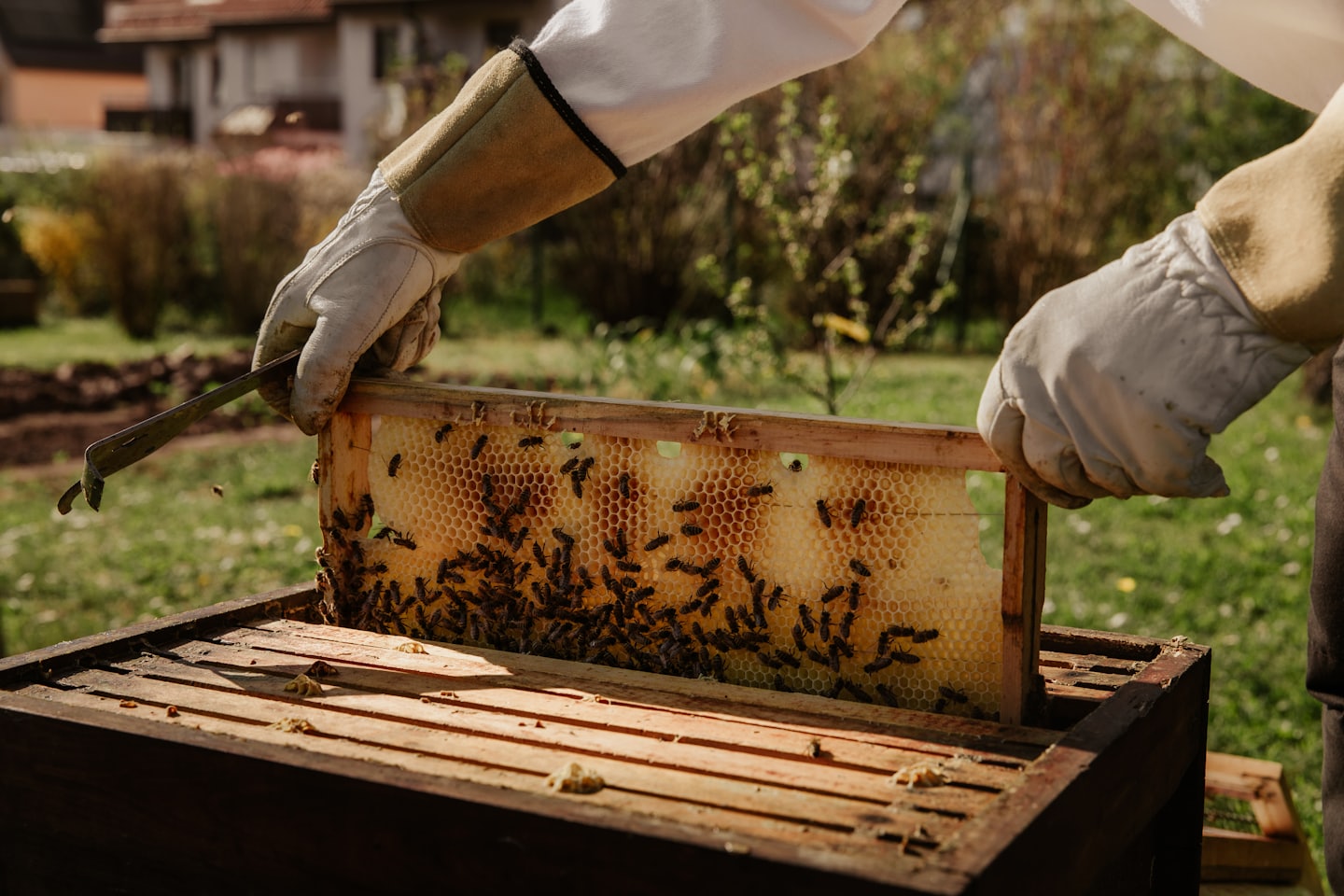
With several years devoted to sustainable beekeeping, Bill combines hands-on expertise with a passion for environmental stewardship. He oversees hive-health and promotes best practices to ensure the thriving 45 colonies he manages. He also provides about 15 acres of vibrant wildlife meadows for honey bee nutrition”
Experience the Sweet Rewards of Responsible Beekeeping
Discover how our dedication to sustainable practices nurtures thriving hives and enriches local ecosystems.
Healthy Hive Management
We ensure each colony thrives through attentive care, promoting robust bee populations and quality honey production.
Wildflower Meadow Preservation
Our efforts support native wildflowers, creating vibrant habitats that sustain pollinators and biodiversity alike.
Community Education Initiatives
Engage with our workshops and resources that inspire stewardship and deepen understanding of bees’ vital role.
“We guide backyard beekeepers in creating thriving sanctuaries where healthy bees flourish naturally on native nourishment, sustained by pure, miticide-free management.” Thus creating a HAPPY HONEYBEE HABITAT.
Experience the Magic of Blooming Wildflower Meadows
Explore a vibrant gallery capturing the heart and soul of our beekeeping journey.
The Vital Role of Honey Bees
Honey bees (Apis mellifera) are among the most essential insects on Earth, acting as foundational pillars for global biodiversity and agriculture. As highly efficient pollinators, they fly from blossom to blossom to gather sugary nectar and protein-rich pollen. During these foraging trips, grains of pollen accidentally stick to their fuzzy bodies and transfer between flowers. This simple, natural process fertilizes plants, enabling them to reproduce and generate fruit.
The direct link between honey bees and our global food supply cannot be overstated. Experts estimate that these industrious creatures pollinate roughly one out of every three bites of food humans consume. They are vital for the successful harvests of nutrient-dense crops, including almonds, apples, avocados, blueberries, and cranberries. Without their pollination services, grocery stores would face massive food shortages, biodiversity would plummet, and global agricultural economies would lose billions of dollars annually.
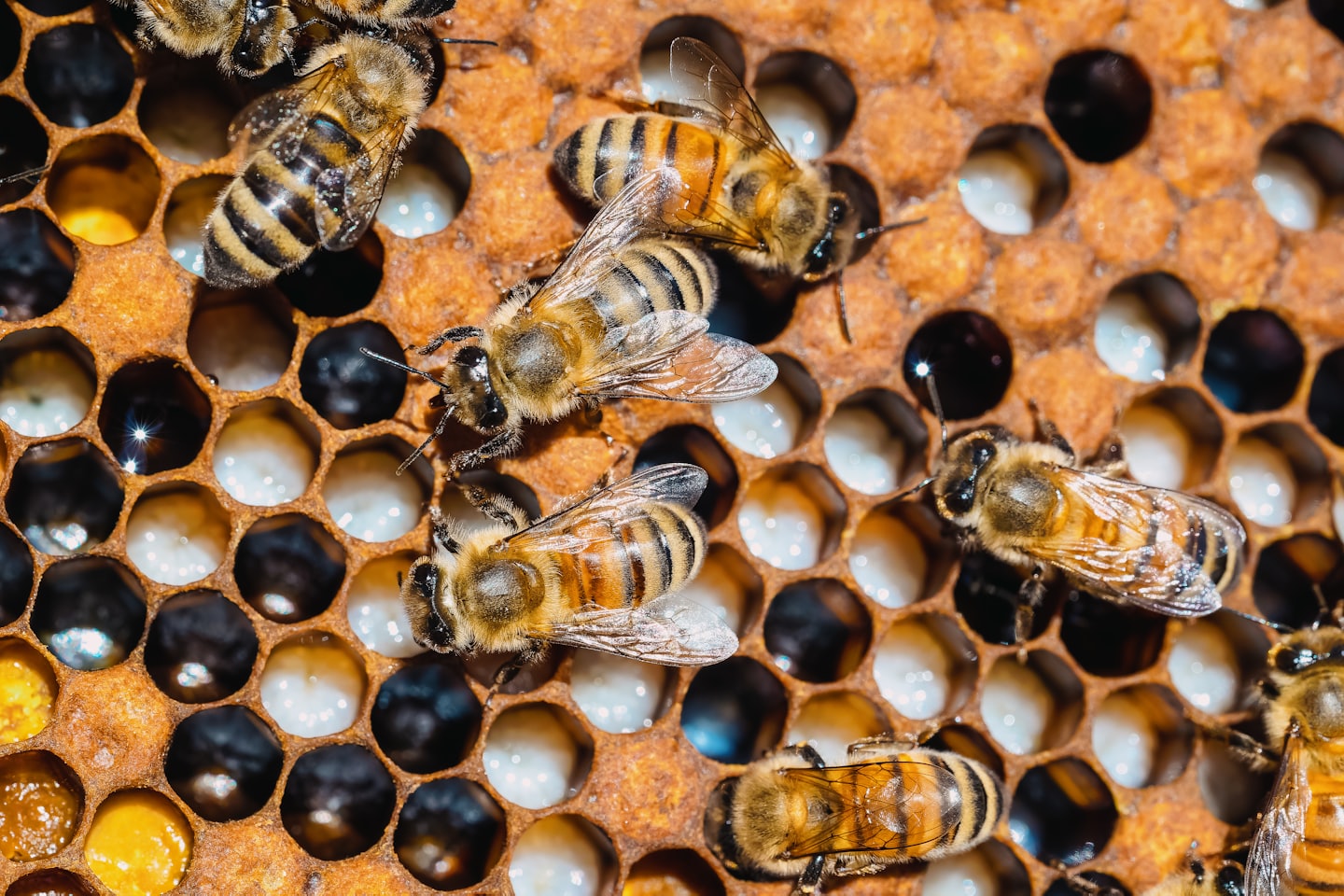
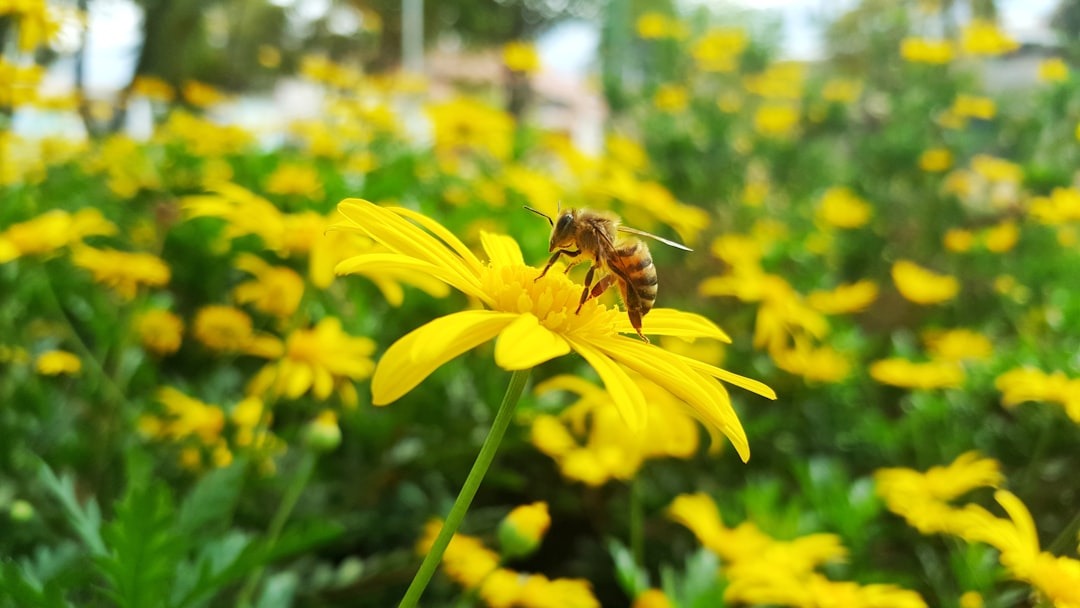
Accurately identifying honey bees is key to protecting them and avoiding confusion with stinging pests like wasps or hornets. Honey bees feature unique clear, translucent wings and a distinctly striped, amber-and-black abdomen. Unlike smooth, shiny wasps, the thorax and body of a honey bee are covered in tiny, velvety hairs designed to trap pollen. Another dead giveaway is the presence of pollen baskets (corbiculae) on their hind legs, which often look like bright yellow or orange packets when stuffed with pollen. Recognizing these gentle foragers helps us appreciate their hard work in our backyards.
Visual Guide for Identification
The images below highlight the unique anatomy of honey bees and showcase them actively performing their essential pollination work:
Visual Gallery of Honey Bees
Explore these images to see honey bee anatomy, distinct castes (worker, queen, and drone), and active foraging behaviors up close: