Discover the Captivating World of Honeybee Swarms
Immerse yourself in a vivid showcase of honeybee swarms, capturing their dynamic beauty and vital role in nature.
Understanding and Embracing Honeybee Swarms
Explore the fascinating behavior of honeybee swarms and learn how their natural cycles benefit ecosystems and beekeeping practices.

The Swarming Process Explained
Discover how honeybee colonies initiate swarming, the queen’s role, and the journey these bees undertake to establish new homes.

Protecting Swarms and Beekeeping
Learn how beekeepers manage swarms safely, harvesting them to support healthy colonies and promote biodiversity.

Ecological Importance of Swarming
Understand how swarming contributes to pollination, genetic diversity, and the resilience of bee populations.

Observing Swarm Behavior
Gain insights into the fascinating patterns and signals bees use during swarming, revealing the complexity of their social structures.
Swarms
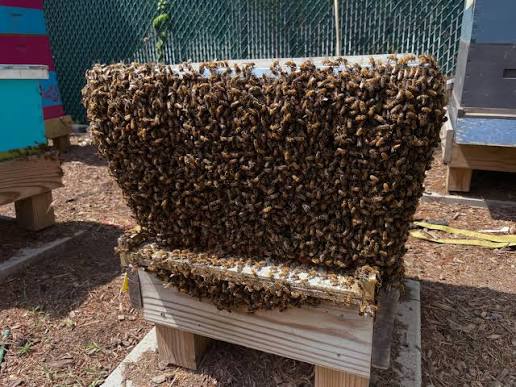
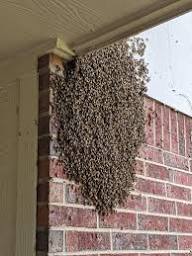
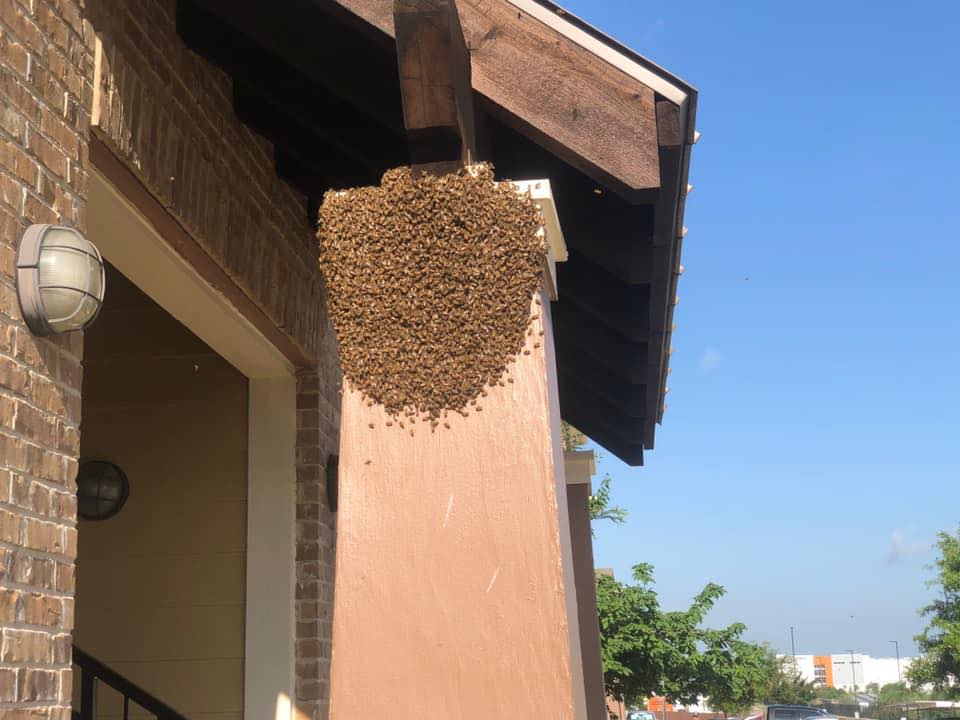
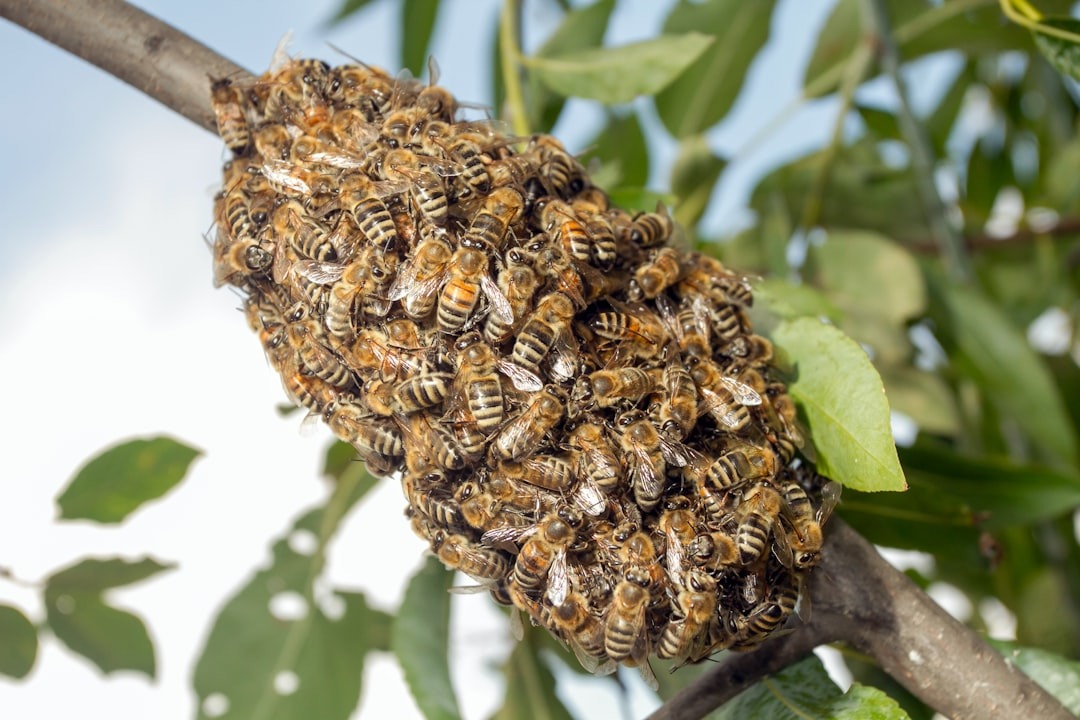
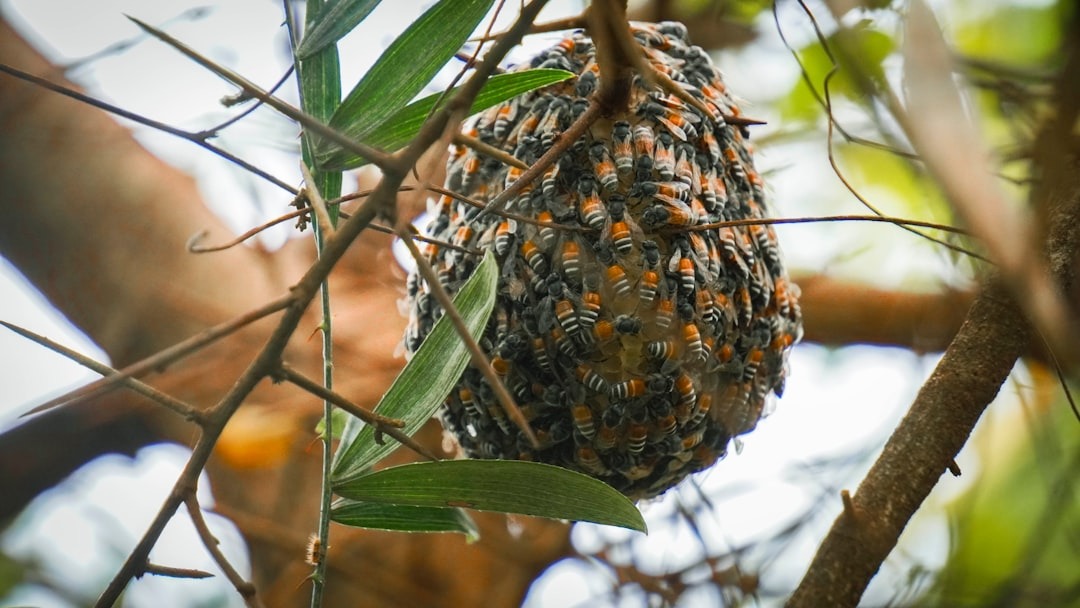
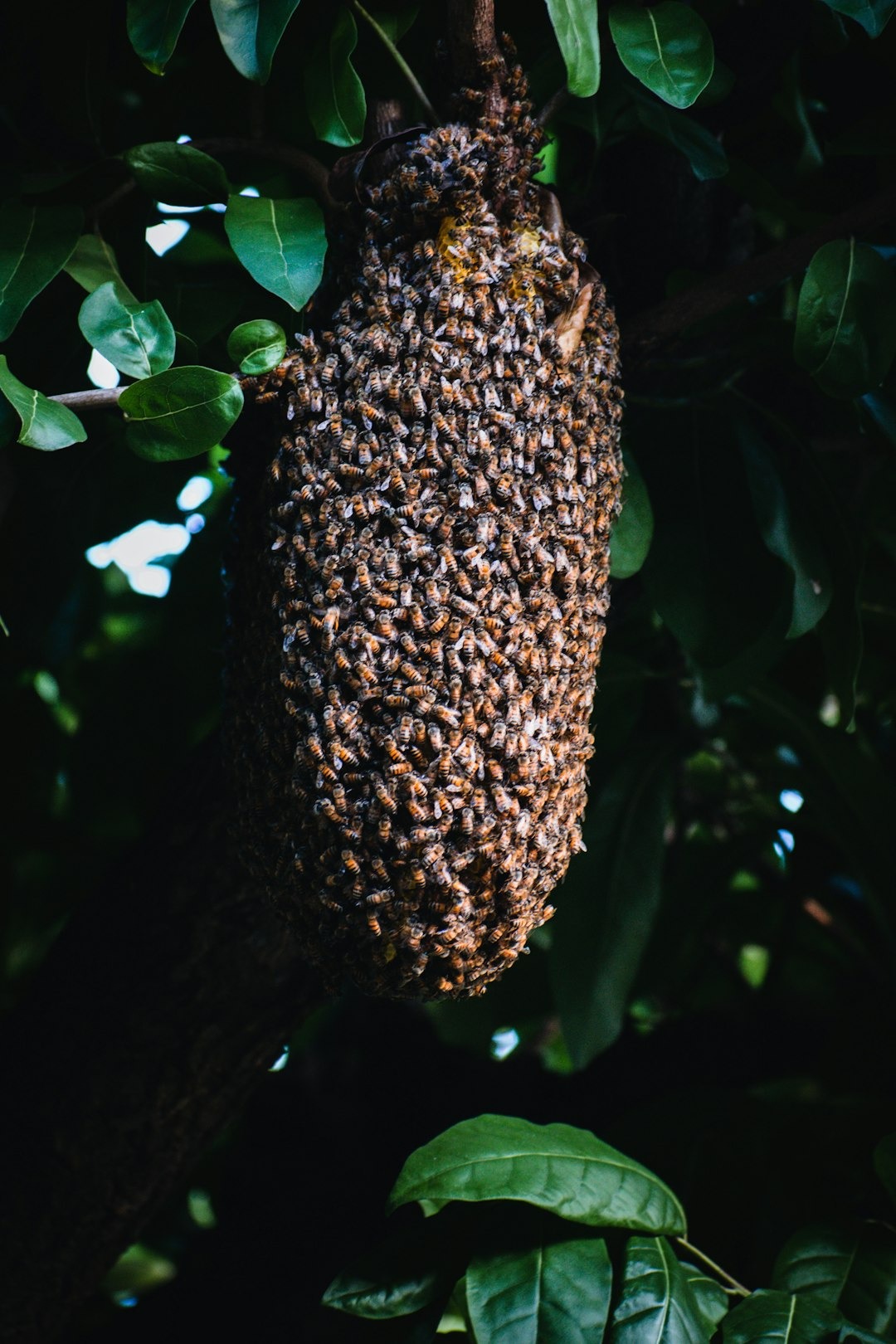
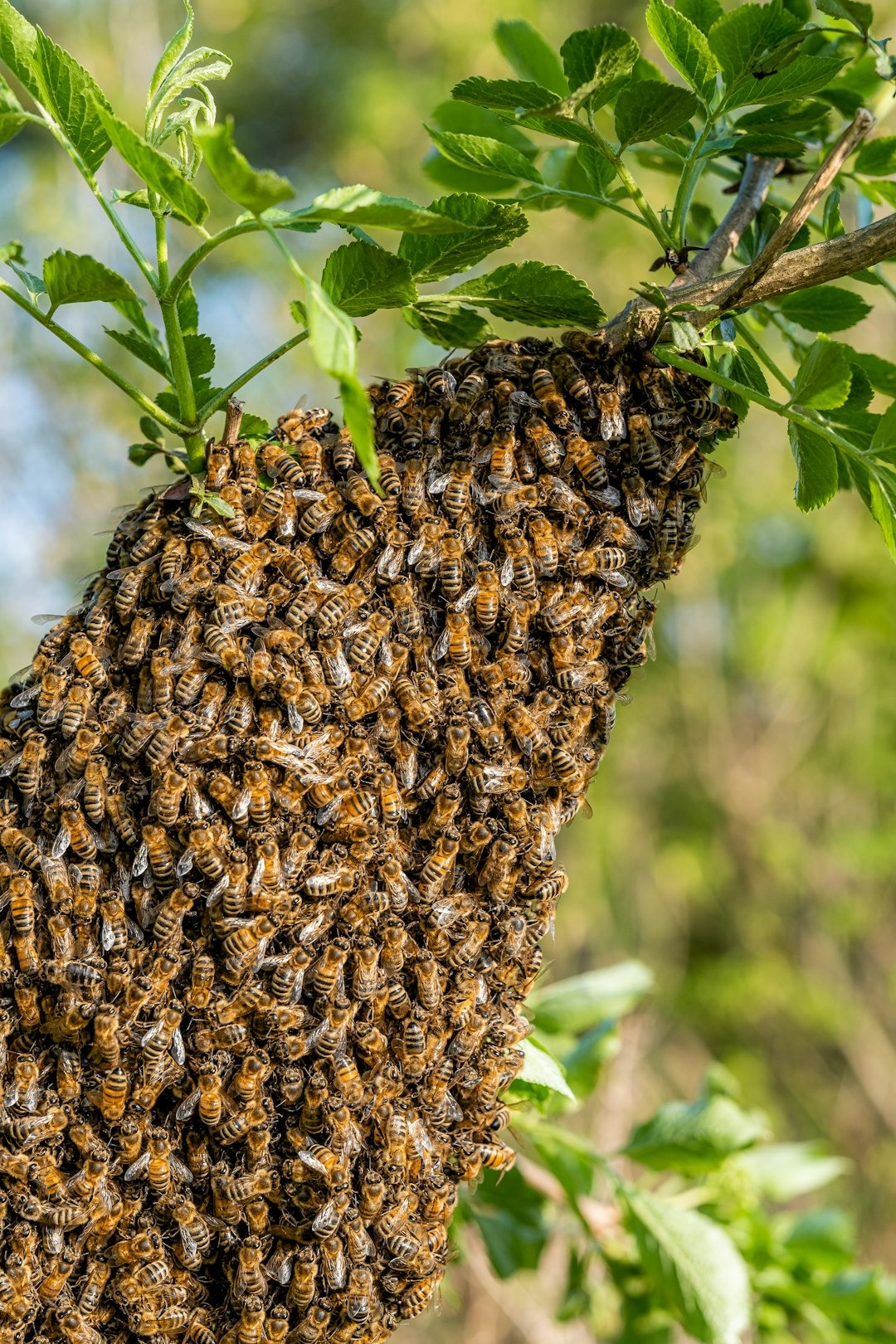
A honeybee swarm is a large, buzzing group of thousands of bees that temporarily gather on a tree branch, fence post, or other structure. This occurs when an overcrowded colony divides to reproduce, with the old queen and about half of the worker bees leaving to search for a new home.
Appearance and Sound
- Shape: A dense, hanging clump that looks like a large, misshapen football or basketball.
- Size: Contains anywhere from several thousand to over 20,000 golden-brown and black bees.
- Sound: A deep, audible hum or buzz created by thousands of shifting wings.
- Absence of a Nest: There is no visible wax honeycomb, eggs, or brood structures present during this temporary stop.
Behavior
- Docile Nature: The bees are very calm and unlikely to sting because they have no honey, brood, or permanent home to defend.
- Full Bellies: Before leaving their original hive, the worker bees gorge themselves on honey to fuel the journey.
- Temporary Rest: The cluster usually stays in one spot from a few hours to a couple of days while scout bees search for a permanent cavity like a hollow tree
I will come and safely remove the swarm at no cost to the homeowner. Call Bill at 614-309-9980.
The Honeybee Swarming Process: An Informative Overview
Honeybee swarming is a natural reproductive behavior that occurs in honeybee colonies, allowing the colony to reproduce and expand. This fascinating process involves a large group of worker bees leaving their original hive with a queen to establish a new colony. Understanding the swarming process is essential for beekeepers and nature enthusiasts alike.
What Triggers Swarming?
Swarming typically happens during the spring and early summer when environmental conditions are ideal—such as abundant nectar flow and favorable weather. Several factors can trigger swarming:
- Overcrowding in the hive
- Limited space for brood rearing
- The age and health of the queen
- Genetic predisposition of the colony
Preparation for Swarming
Before the swarm departs, the colony prepares extensively. One of the first steps is the production of queen cells. Worker bees start to rear new queens by feeding selected larvae with royal jelly inside specially constructed vertical cells called queen cups.
During this time, the original queen’s egg-laying rate may decrease, and she becomes less active. The workers also reduce their foraging activity as they prepare for the big move.
The Swarming Event
On the day of the swarm, the old queen leaves the hive accompanied by about 50 to 70 percent of the worker bees. This group forms a large cluster, often hanging from a tree branch or other structure near the original hive. Scout bees then search for a suitable new nesting site.
The swarm may stay clustered for several hours or even days while scouts evaluate potential homes. Once a suitable site is found, the swarm takes flight and relocates to the new location to establish a new colony.
After Swarming
Meanwhile, back in the original hive, the newly raised queen emerges and begins her mating flights. Once mated, she starts laying eggs to continue the colony’s growth. The cycle of growth, reproduction, and swarming continues, ensuring the survival and expansion of honeybee populations.
Importance of Swarming
Swarming is vital for the genetic diversity and health of honeybee populations. It allows colonies to reproduce and colonize new areas, which is essential for pollination and maintaining ecological balance.
For beekeepers, managing swarming is crucial to prevent loss of bees and maintain honey production. Techniques such as providing adequate space, splitting hives, and monitoring queen health can help control swarming behavior.
Conclusion
The honeybee swarming process is a remarkable natural phenomenon that plays a critical role in the life cycle of honeybee colonies. By understanding its triggers, stages, and outcomes, we can appreciate the complexity of bee behavior and support the conservation of these indispensable pollinators.
Cutouts
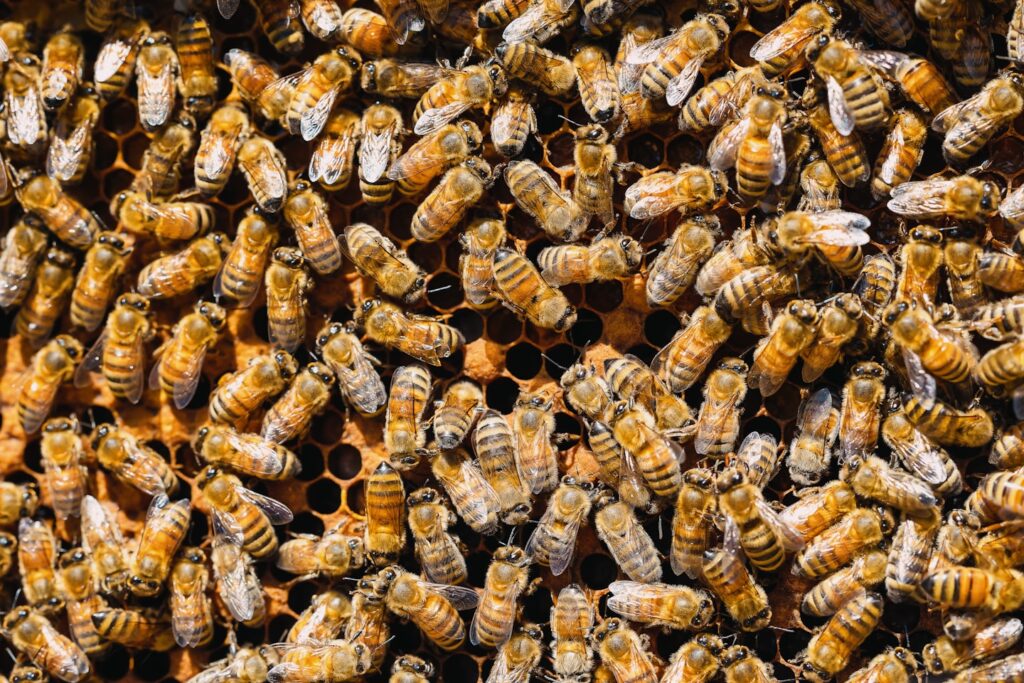
A honeybee cutout is the process of safely removing a colony of bees and their honeycomb from a hollow structure, such as a wall, tree, or roof. Beekeepers do this to save the live bees.
The beekeeper starts by finding the exact spot of the nest. They cut an opening into the wall or wood to reach the bees. Next, they use a special vacuum or gentle brush to move the live bees into a temporary box.
After removing the bees, the worker cuts out the wax honeycombs. They tie these combs into wooden frames and place them into a standard beehive box. The bees will finish fixing their new home in this box.
Finally, the beekeeper will move the hive box to a new outdoor location at night when all the bees are inside.
We would come and perform a cutout with a charge to the homeowner
Bearding
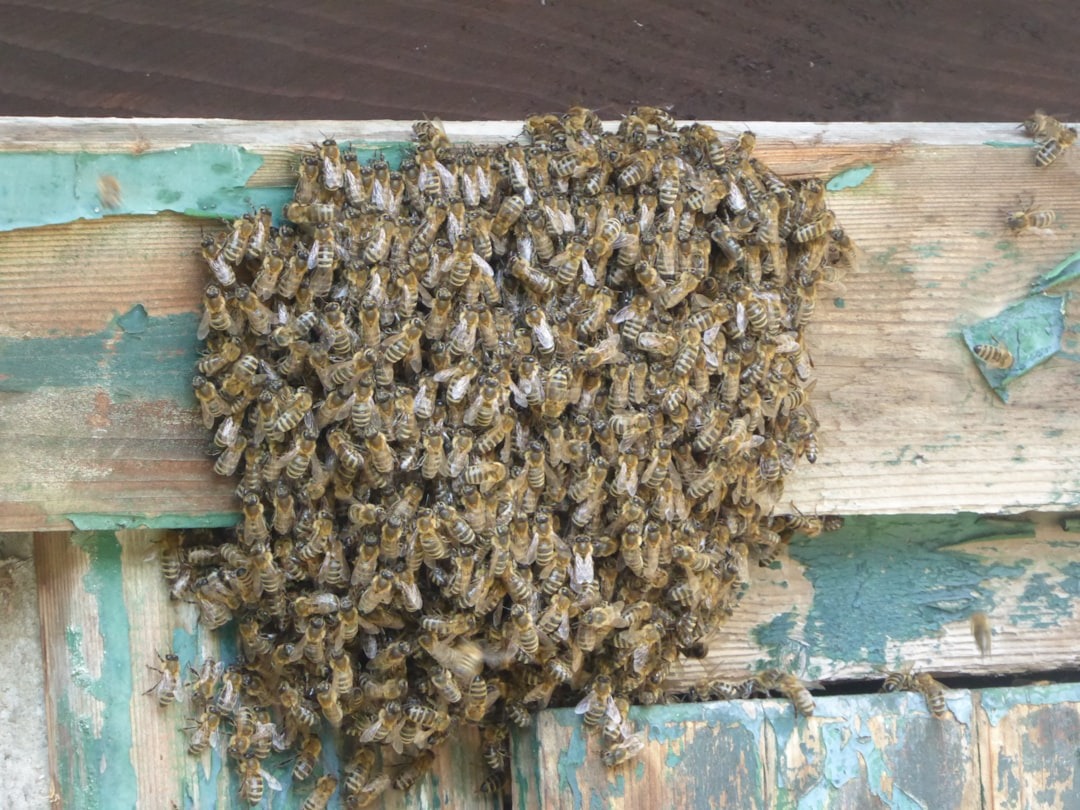
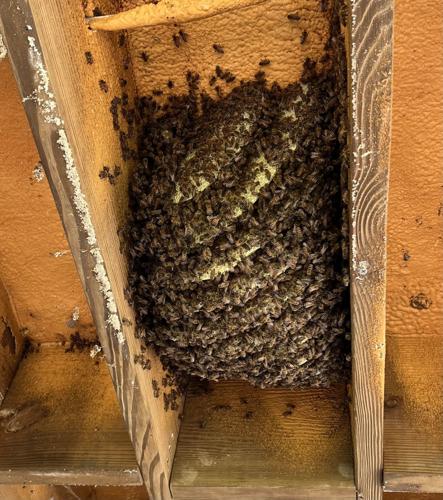
Another acrivity of honeybees is when they are bearding. This could be mistaken for swarming, but is really when the bees are just “hanging out.” They present no danger when they are dsoing this. usally you will see this near the entrance or hole where they go in andout of their home. Beekeepers see this on their hives, but could also be seen on the side of a house.