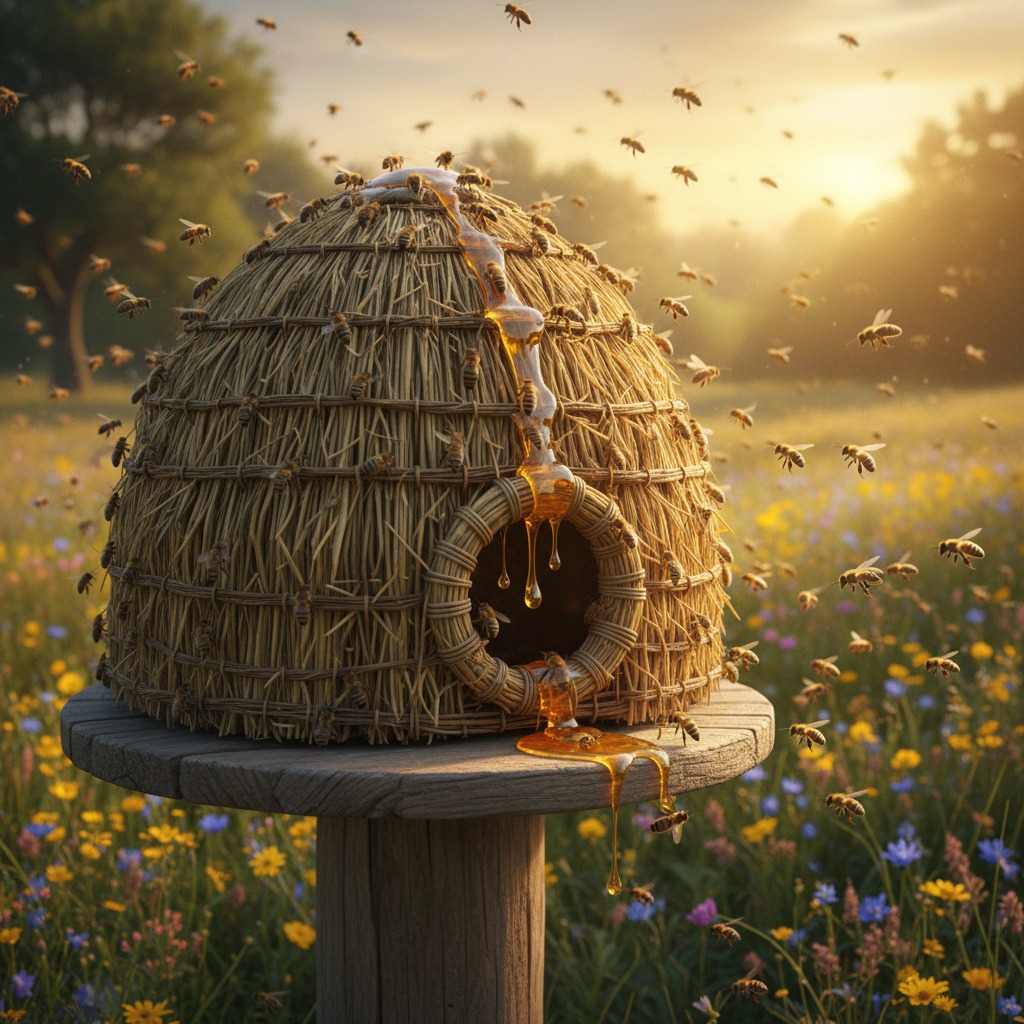
National Honey Bee Day highlights vital role of pollinators
Reprinted from
deltanews.tv
849 Washington Ave.
Greenville, MS 38701
Phone: 662-334-1500
Email: webmail@deltanews.tv
What can a beekeeper do in August ?
The eggs that the queen bee will lay in the coming weeks — including those she is currently laying — are critical for sustaining the hive through the harsh winter months. Unlike bees born earlier in the season, which typically live around 45 days, the bees emerging from these late-season eggs are built to survive much longer. Therefore, maintaining the overall health of these bees is paramount. This means keeping pest populations, especially varroa mites, at an absolute minimum to prevent weakening the hive.
Supplemental feeding often becomes necessary during this period to support the hive’s nutritional needs. Our local winters are particularly challenging for bees due to highly variable temperatures, which can swing from the low 30s one day to the mid-60s the next. Such fluctuations can mislead the bees into thinking spring blooms have arrived, prompting them to become active and expend significant energy in search of nectar and pollen, which may not be available. Providing supplemental sugar syrup or pollen substitutes can help the bees conserve energy and maintain strength during these unpredictable conditions.
This time of year is also when people are more likely to experience stings on their decks or patios. The majority of these stings are caused not by honeybees, but by yellowjackets. Yellowjacket populations grow steadily throughout the summer, starting from a single queen and reaching their peak in early fall. These wasps are protein feeders, consuming insects like spiders and aphids from the garden all season long. Because they tend to stay out of direct sight, many people may not even notice them until their numbers become significant.
As fall progresses, yellowjacket colonies reach their maximum size while natural food sources dwindle. Their increased activity and desperation can lead them to aggressively scavenge human food, especially during outdoor gatherings where grilled meats and sweet beverages are present. This can create uncomfortable or even dangerous situations for people enjoying barbecues or picnics.
It’s important to understand the differences between stings from honeybees and wasps like yellowjackets. Honeybees have barbed stingers that lodge into the skin, leaving behind the stinger and venom sac, which continues to pump venom even after the bee has flown away. The honeybee usually dies shortly after stinging. In contrast, yellowjackets, bald-faced hornets, and brown paper wasps have smooth stingers, allowing them to sting multiple times without losing their stinger. Their stings tend to be more painful and cause more swelling compared to honeybee stings, based on personal experience and reports from others.
Yellowjackets are often encountered during outdoor activities such as lawn mowing or hiking in wooded areas, where they typically build nests in the ground. Their nests are impressively engineered; for example, a neighbor once had a large yellowjacket nest attached to the trim of his house. After a heavy rain soaked the nest, the yellowjackets constructed a small water diverter above it to prevent further water damage, showcasing their remarkable adaptability.
For beekeepers, late summer and early fall are critical times for hive maintenance. Monitoring and managing varroa mite levels through regular sampling and treatment is essential to reduce mite populations to the lowest possible numbers before winter. Beekeepers must also assess the hive’s food stores to ensure there is sufficient honey and pollen to sustain the colony through the colder months. Fall pollens, which vary in type and diversity compared to spring and summer blooms, provide an important nutritional boost that enhances the bees’ overall health and resilience.
This season also offers beekeepers a valuable opportunity to plan for the coming year. Key considerations include evaluating existing equipment to determine if any replacements are needed, deciding whether to expand the number of hives, and obtaining necessary permissions for new honey extraction setups or apiary expansions. Fortunately, many beekeeping supplies and equipment are readily available locally, making it convenient to purchase what’s needed. The dry fall weather is ideal for assembling and painting new woodenware, such as hive boxes and frames, ensuring they are ready for use in the spring.
By carefully managing their hives and preparing equipment during this transitional period, beekeepers can help ensure a strong, healthy colony that is well-positioned to thrive in the year ahead.