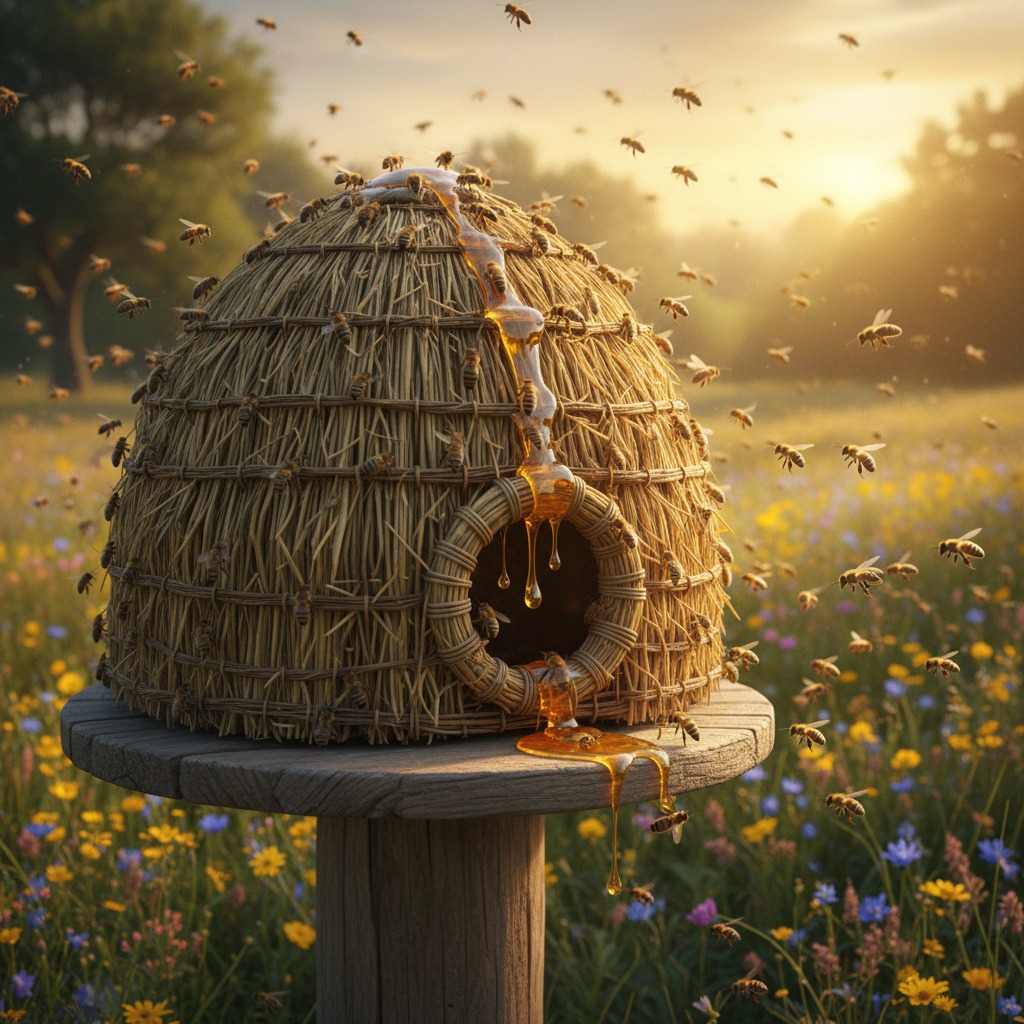
Explore Essential Flora Guides
This section highlights vital resources designed to support honeybee pollination and biodiversity.
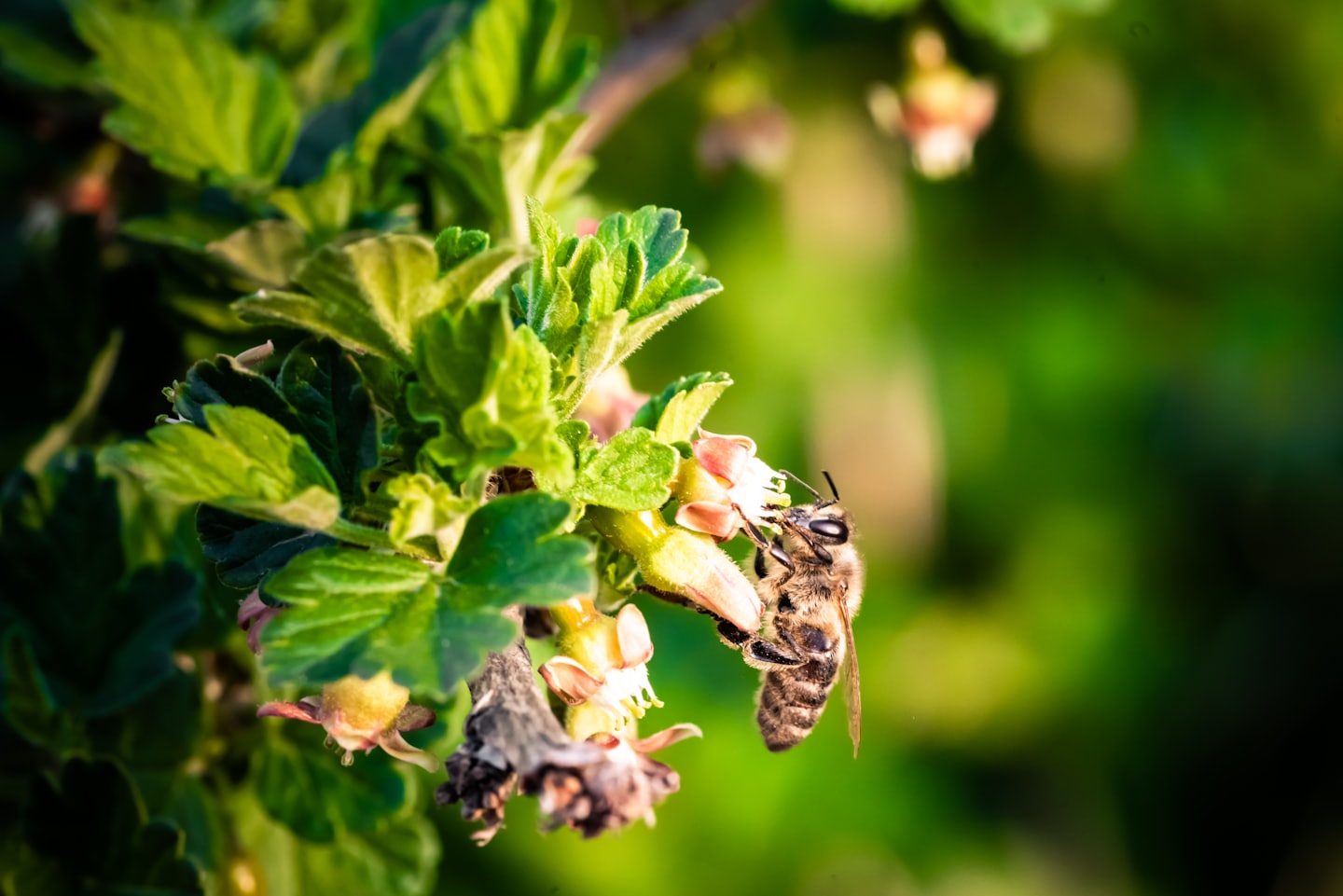
Nectar Plants
This topic covers essential flowers to provide abundant nectar for colonies.
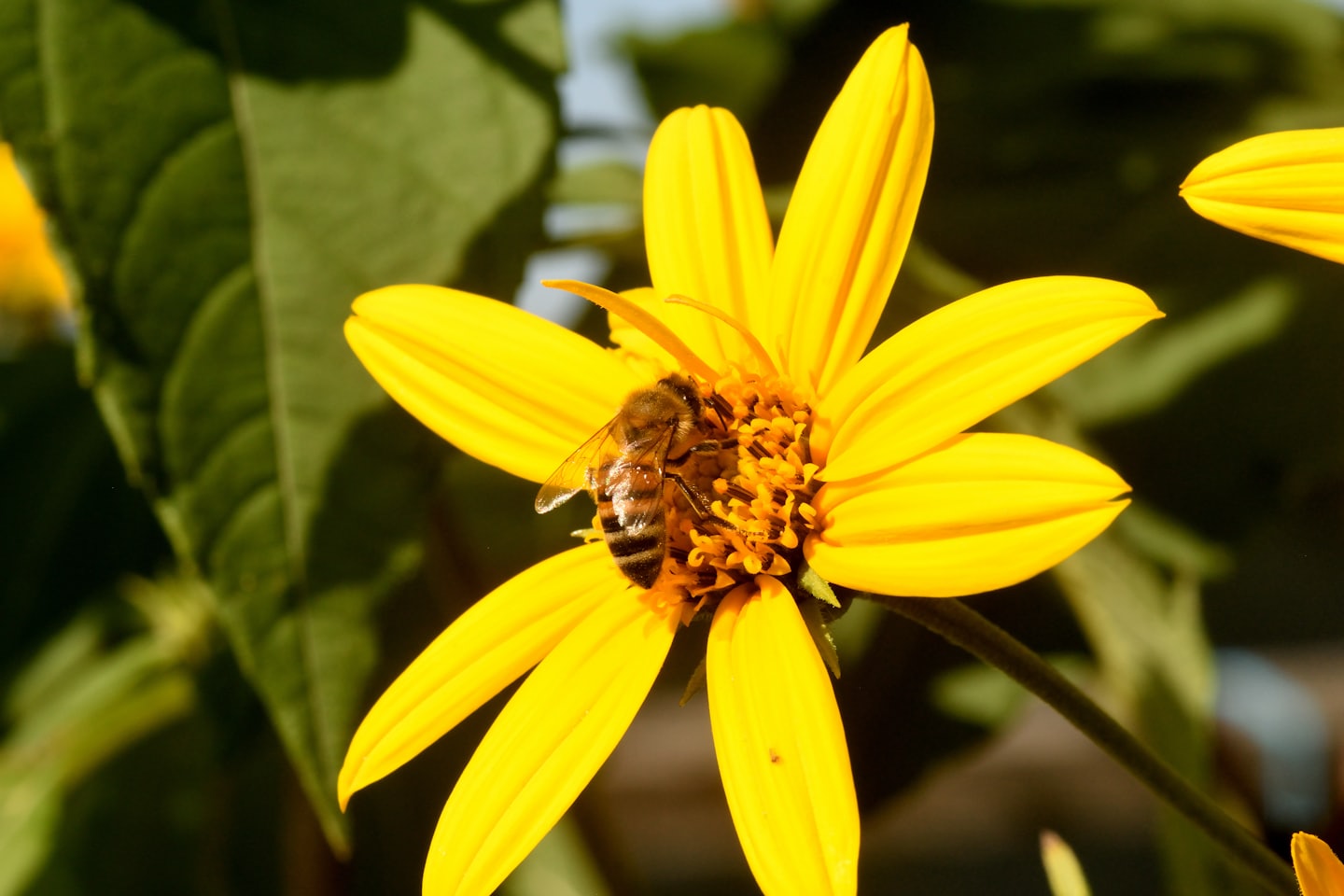
Pollen Sources
This topic delves into nutrient-rich pollen varieties for bees.
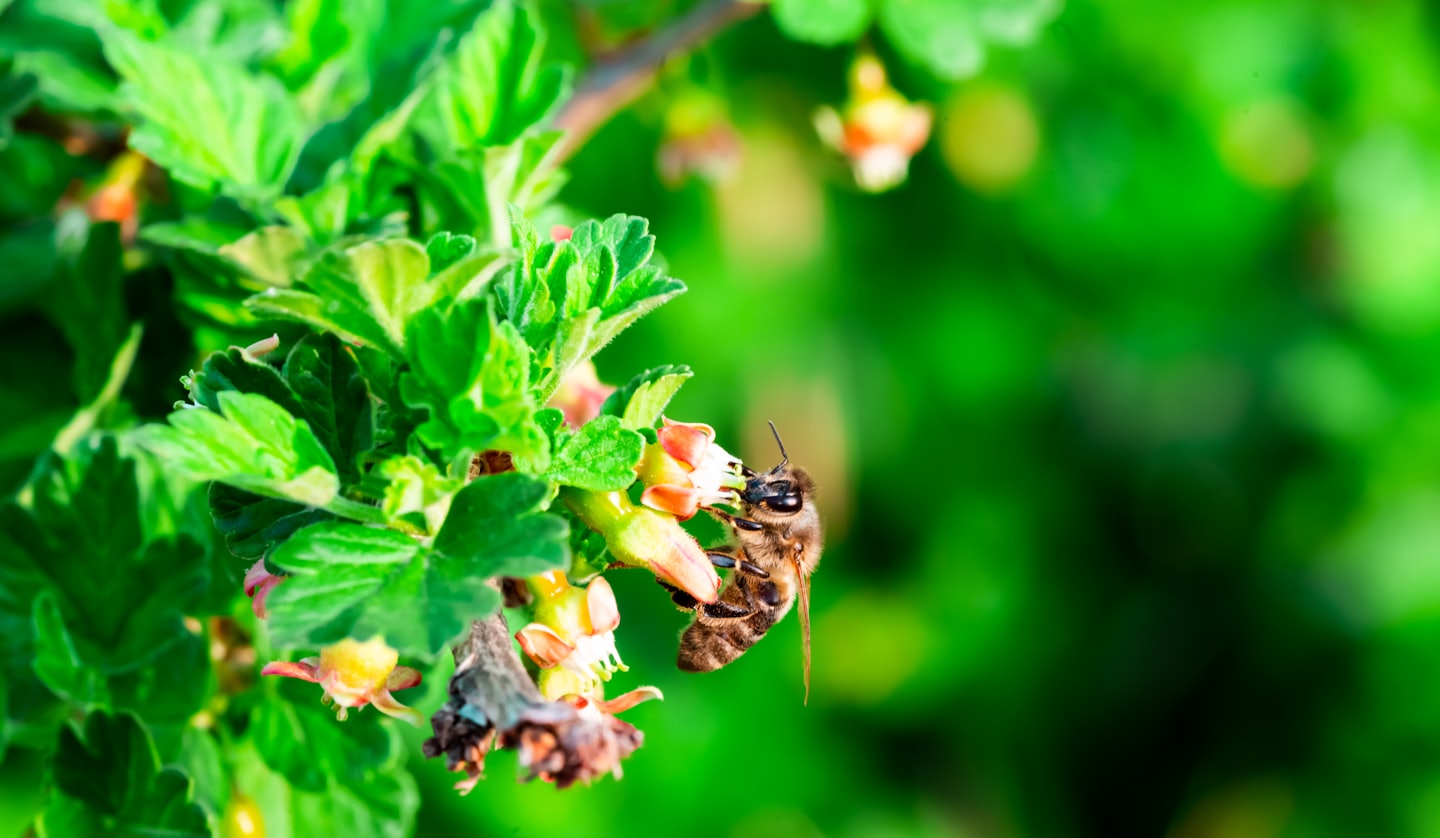
Propolis Flora
Explore this topic for resinous plants that sustain hive health.
Explore Our Pollinator Haven
This section highlights vibrant blossoms providing essential nectar, pollen, and propolis to sustain honeybees.
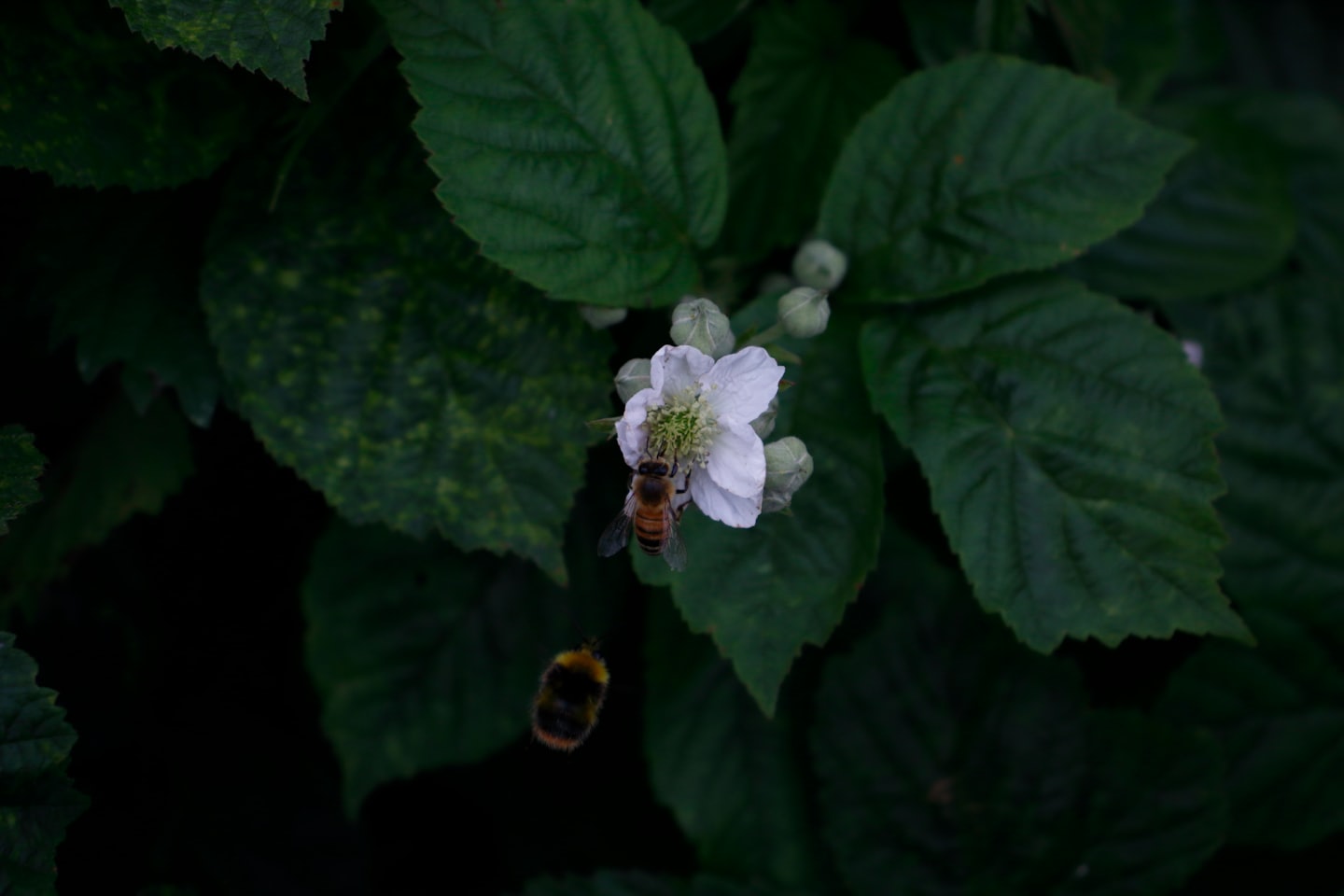
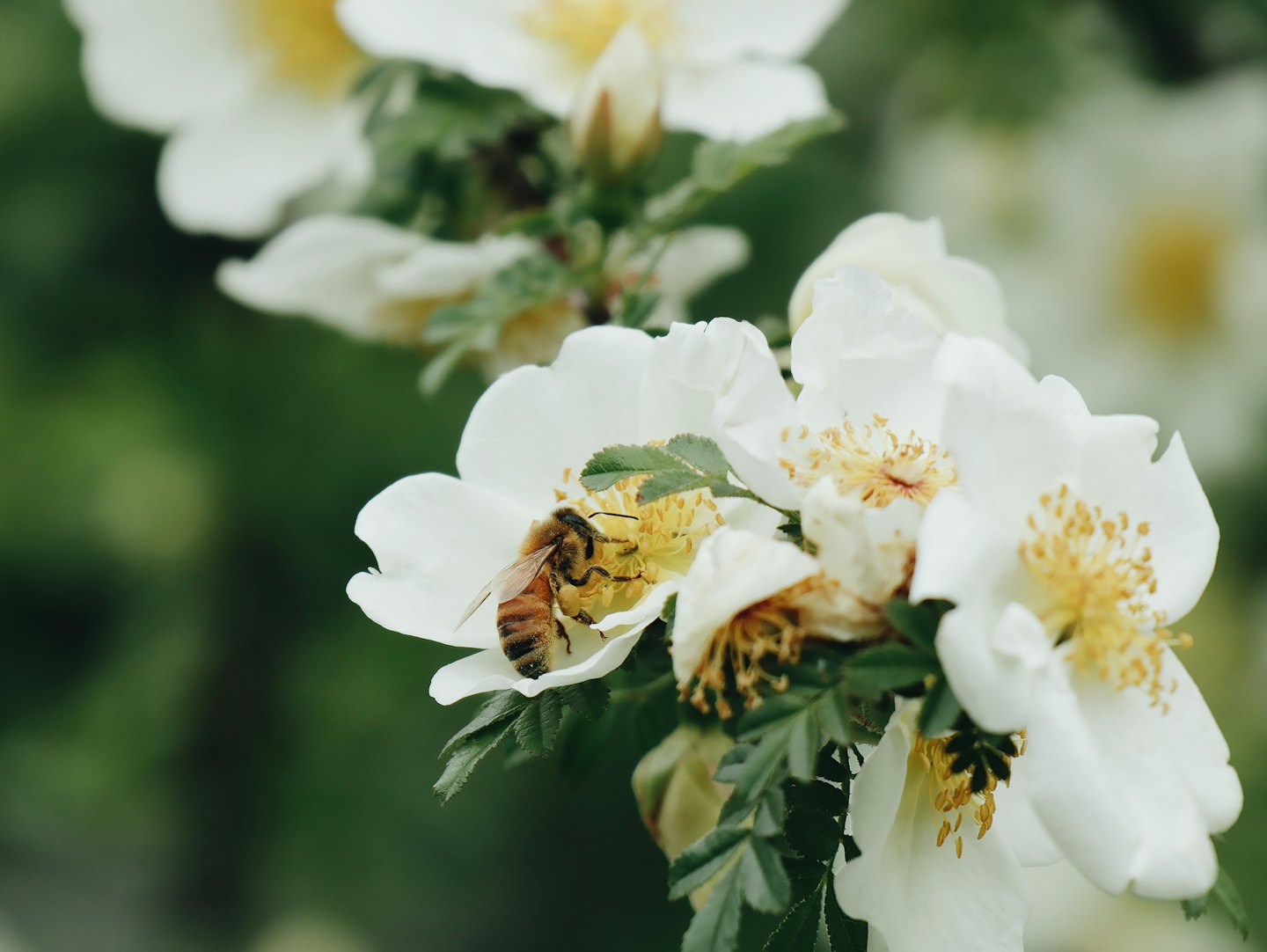
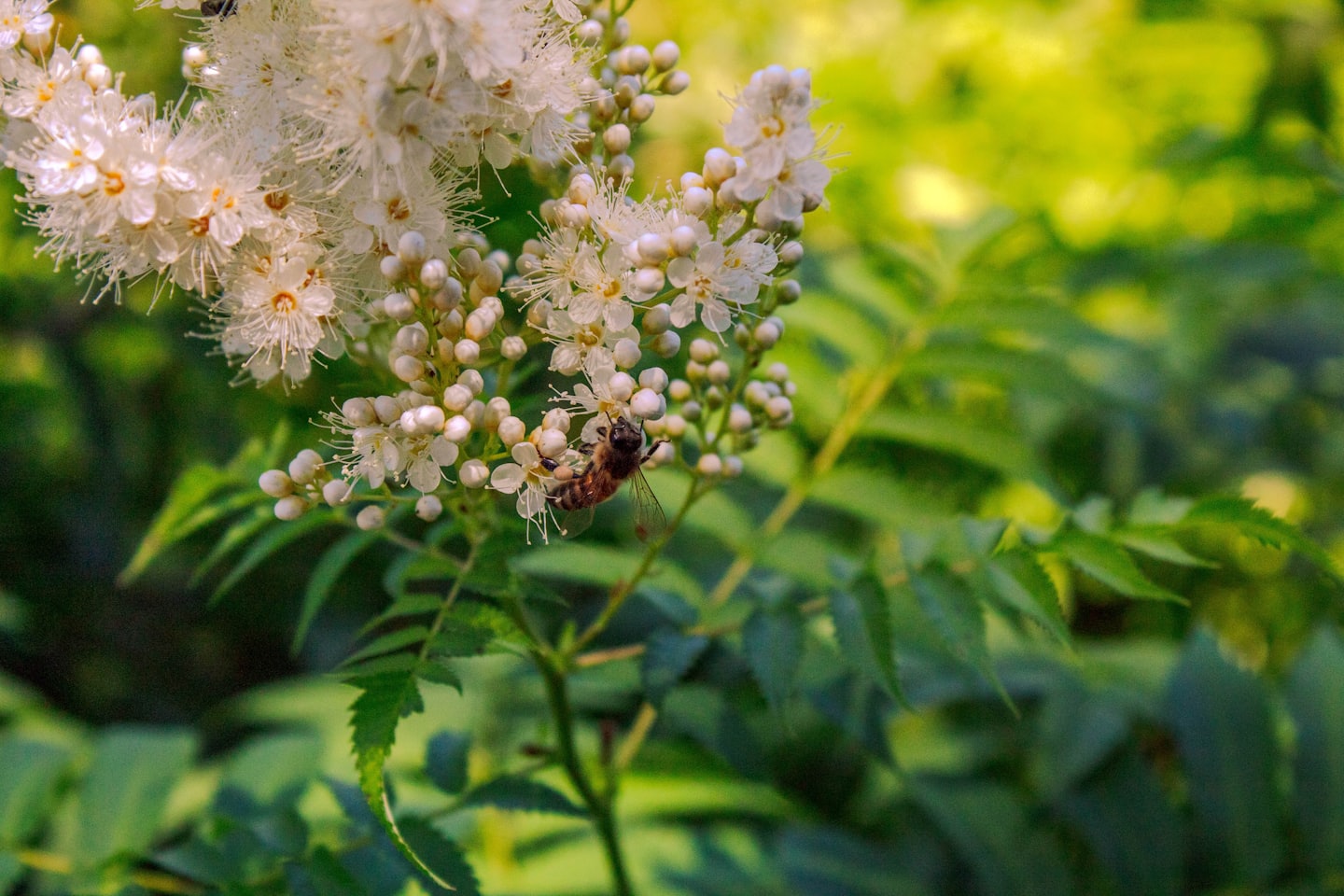
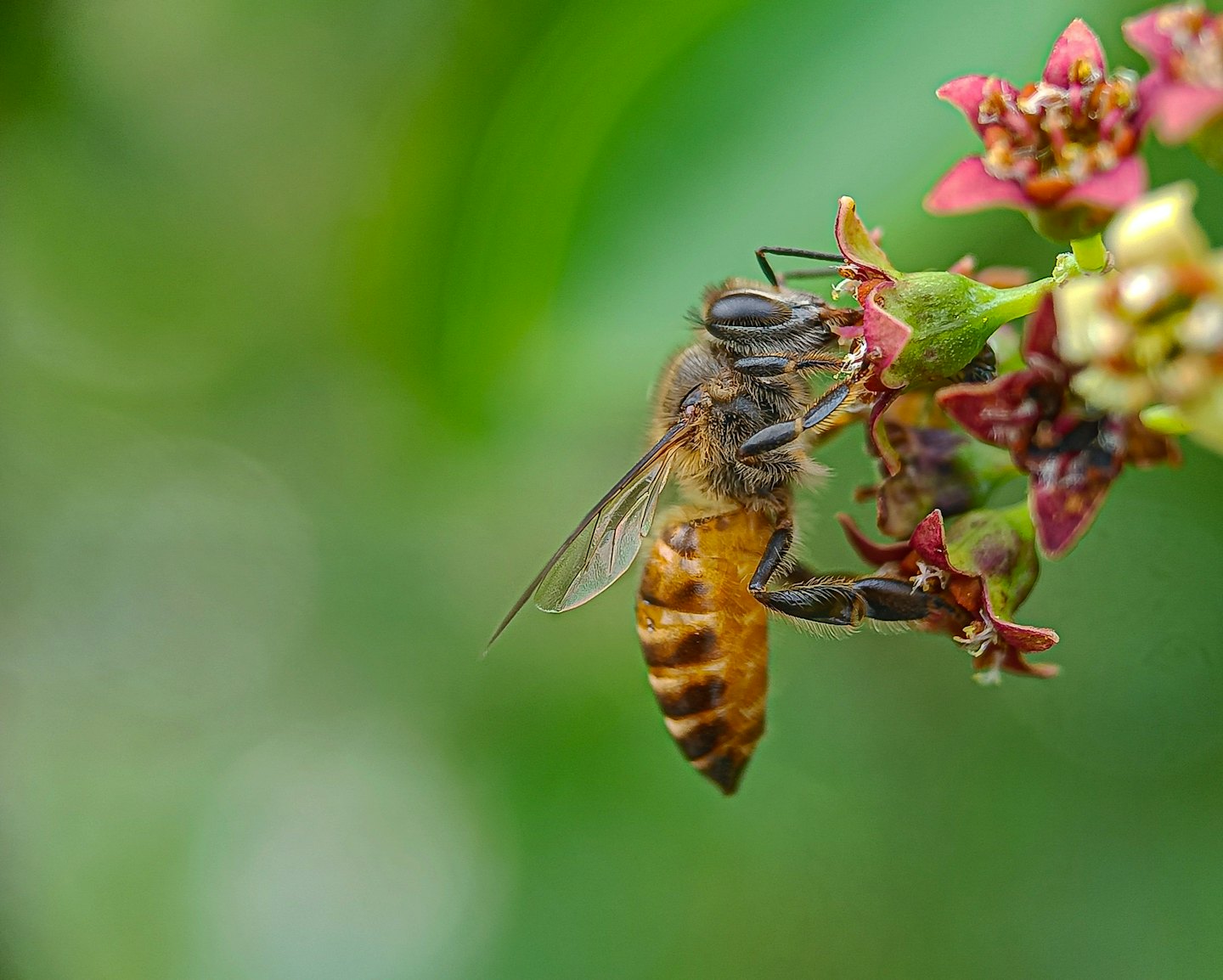
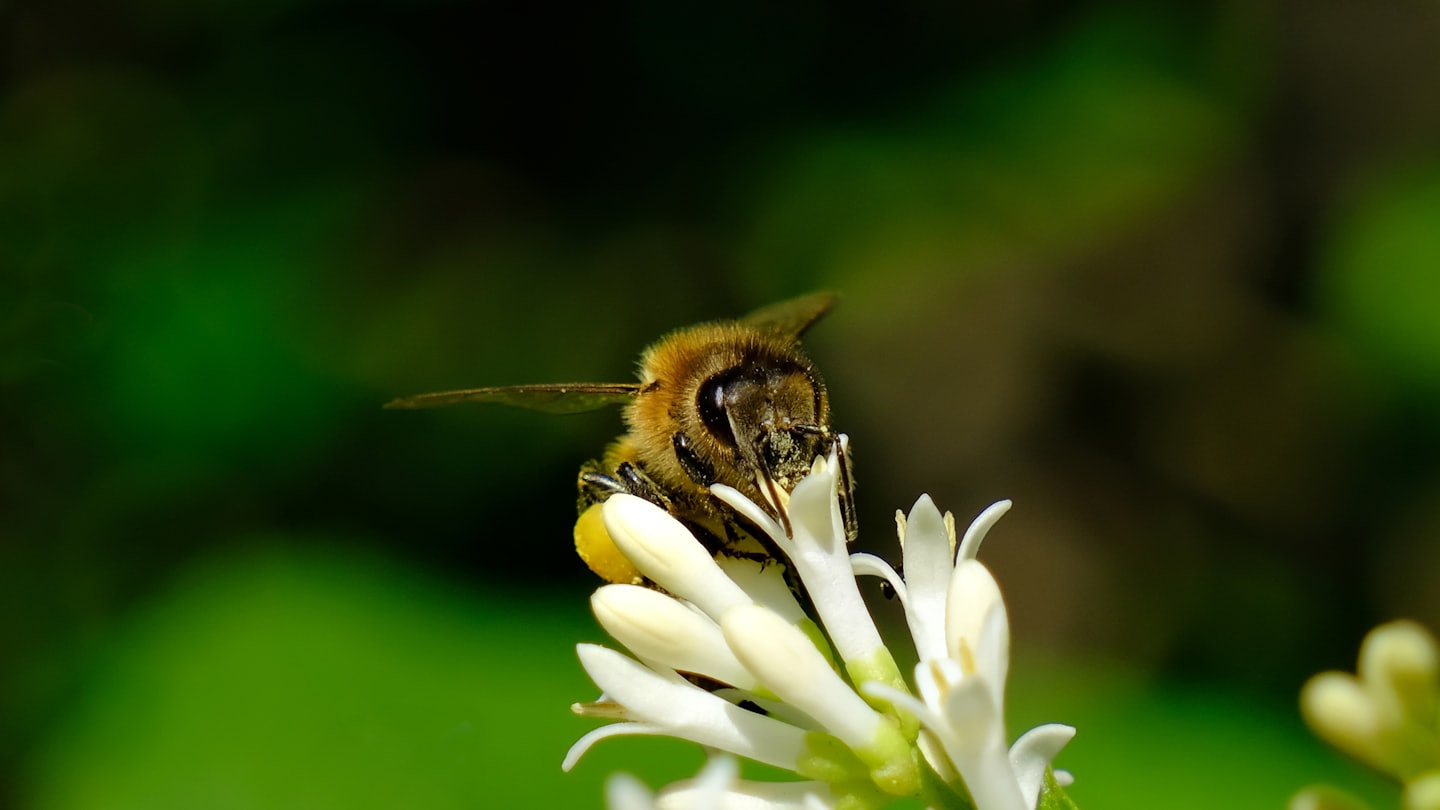
- Bee Balm (Monarda): Produces large tubular flower heads packed with sweet nectar.
- Purple Coneflower (Echinacea): Features bright, accessible petals and a prominent center cone.
- Lavender: Offers fragrant purple spikes that bloom for a long time.
- Catmint (Nepeta): Grows soft blue-purple clusters that bees visit constantly.
- Sunflowers: Provide a wide open center platform filled with easy-to-reach food.
- Salvia: Features bright, colorful tubular spikes loved by many bee species.
- Goldenrod (Solidago): Serves as a vital late-season nectar source before winter
Frequently Asked Questions
Find essential answers regarding honeybee pollination flowers nectar pollen and colony sustaining biodiversity.

While specific yields vary by region and climate, studies on nectar production show that common wildflowers like ragwort, creeping thistle, and dandelion produce some of the highest amounts of sugar nectar per day. Among popular garden and crop plants, borage, bee balm (Monarda), and fruit tree blossoms (like citrus and apple) also rank among the highest nectar producers.
- Ragwort (Jacobaea vulgaris): Yields up to 2,900 micrograms of sugar per flower daily.
- Creeping Thistle (Cirsium arvense): Produces around 2,600 micrograms of sugar per day.
- Dandelion (Taraxacum officinale):
Reaches about 2,100 micrograms of sugar per flower head daily.
- Borage (Borago officinalis): Widely known by gardeners as an absolute powerhouse for honeybees.
- Bee Balm (Monarda): Delivers rich, accessible nectar for long-tongued bees and hummingbirds.
- Sunlight: Plants in full sun usually make more nectar than those in shade.
- Water: Adequate soil moisture helps keep nectar flowing, though severe drought reduces output.
- Temperature: Warm days and mild nights stimulate higher sugar production in most blooms.

Some flowers are bad for honey bees because their nectar or pollen is toxic, while others are unhelpful because they are physically blocked or lack nutritional value. Toxic plants can poison adult bees or their brood, and decorative or double-petaled hybrids often hide nectar from reaching insects.
- Yellow Jessamine (Gelsemium sempervirens): Nectar and pollen are highly toxic, causing paralysis and death in young bees and larvae.
- California Buckeye (Aesculus californica): The pollen and nectar of this tree are known to poison honey bees and weaken colonies.
- Rhododendron and Mountain Laurel (
Kalmia latifolia):Contain natural toxins (andromedotoxins) that can sicken bees or produce toxic “mad honey”.
- Summer Titi / Swamp Titi (Cyrilla racemiflora): Produces nectar that causes “purple brood,” which harms and deforms bee larvae.
-
Unhelpful or Inaccessible Flowers
- Double-Petaled Cultivars (Double Marigolds, Roses, Peonies): Overbred with extra petals that block access to the nectar and pollen inside.
Red Flowers: Honey bees cannot see the color red well, meaning flowers like red petunias or cardinal vines are mostly overlooked by them.
Sterile or Ornamental Hybrids (Pansies, Begonias, Forsythia): Bred for looks rather than food, offering little to no usable nectar or pollen.
- Acacia (Black Locust): Made from the pale blossoms of the black locust tree, this water-clear honey has a delicate, sweet flavor and stays liquid for a long time.
- Clover: Widely considered the everyday standard, clover nectar yields a light color and a smooth, mild, traditional sweet taste.
Orange Blossom: Gathered from citrus groves, this light honey carries subtle, fragrant floral notes with a faint hint of fresh citrus
- Fireweed: Hailed for its exceptionally clear color and pure, smooth, sweet flavor.
- Tupelo: Hailing from the American Southeast, rare tupelo honey has a rich, buttery profile and a unique chemical makeup that resists crystallization.
Sourwood: Sourced from the delicate bell-shaped flowers of Appalachian trees, it features a distinct, spicy, and caramel-like depth [0.4].
- Basswood: Derived from linden tree flowers, this honey is light in color but packs a woody, sweet bite with subtle herbal or minty undertones.
Lavender: A gourmet favorite from European fields, offering a creamy, distinctively floral, and aromatic profile
- Golden Alexanders (Zizia aurea): Offers flat-topped yellow clusters that provide early-season pollen.
- Wild Geranium (Geranium maculatum): A woodland perennial with pink blossoms favored by generalist and specialist bees.
- Jacob’s Ladder (Polemonium reptans): A shade-tolerant spring bloomer supplying accessible early pollen.
- Purple Coneflower (Echinacea purpurea): A tough native perennial with daisy-like heads rich in pollen and nectar.
- Bee Balm / Wild Bergamot (Monarda didyma / Monarda fistulosa): Part of the mint family, highly attractive to honeybees.
- Virginia Mountain Mint (Pycnanthemum virginianum): Produces dense clusters of tiny flowers that hum with honeybee activity all summer.
- Butterfly Weed (Asclepias tuberosa): An orange-flowered milkweed native to Ohio that safely supplies pollen and nectar.
- Goldenrod (Solidago spp.): Essential late-season native plants providing high-protein pollen for winter hive storage.
- Asters (Symphyotrichum spp.): Provide a vital late source of food and open surfaces for bees to easily land on before winter.
- Sweet Joe-Pye Weed (Eutrochium purpureum): Features large purple fuzzy clusters that peak in late summer and early fall.

The top 10 flowers that attract bees include bee balm, coneflower, lavender, borage, sunflowers, black-eyed Susan, catmint, asters, salvias, and yarrow. These plants provide rich sources of nectar and pollen to support healthy pollinator activity in your garden.
- Bee Balm (Monarda): Features bright, tubular petals packed with sweet nectar that bees and hummingbirds adore.
- Coneflower (Echinacea): Offers a sturdy central cone full of pollen and easy landing pads for flying visitors.
- Lavender (Lavandula): Yields heavily scented purple flower spikes rich in high-quality nectar
.
- Borage (Borago officinalis): Produces bright blue, star-shaped blossoms that continuously replenish nectar.
- Sunflowers (Helianthus): Provide large, open disc florets loaded with abundant protein-rich pollen.
- Black-Eyed Susan (Rudbeckia): Blooms all summer long with vibrant yellow petals that draw native bees.
- Catmint (Nepeta): Forms a tough, low-maintenance blue-purple cloud that bees visit relentlessly.
- Asters (Symphyotrichum): Supply crucial late-season food sources when other summer flowers fade.
- Salvia (Salvia): Features long, tubular spikes of blue, purple, or pink flowers favoured by smaller and larger bees alike.
- Yarrow (Achillea): Offers flat-topped flower clusters (corymbs) that make it easy for beneficial insects to land and feed.
What flowers provide propolis for honeybees?
- Poplar and Cottonwood (Populus species): Poplar bud resin is the premier and most heavily favored source of propolis glue for honeybees.
- Willow (Salix species): The sticky bud exudates of native willows provide abundant high-quality resin.
- Pine and Conifers (Pinus, Spruce, Fir): Evergreen conifers supply heavy, highly antimicrobial pitches and tars.
- Alder (Alnus species): Spring buds on alders offer accessible tacky resins.
- Birch (Betula species): The resinous, protective coat on new birch buds is regularly scavenged.
- Horsechestnut and Buckeye (Aesculus species): Their characteristic sticky spring leaf buds yield resinous material.
- Sunflowers (Helianthus species): Bees occasionally forage sticky secretions from specific wild or cultivated sunflower parts.
- Milkweed (Asclepias species): Milky sap and sticky stem exudates can offer secondary resinous compounds.